What Causes Brakes to Lock Up?
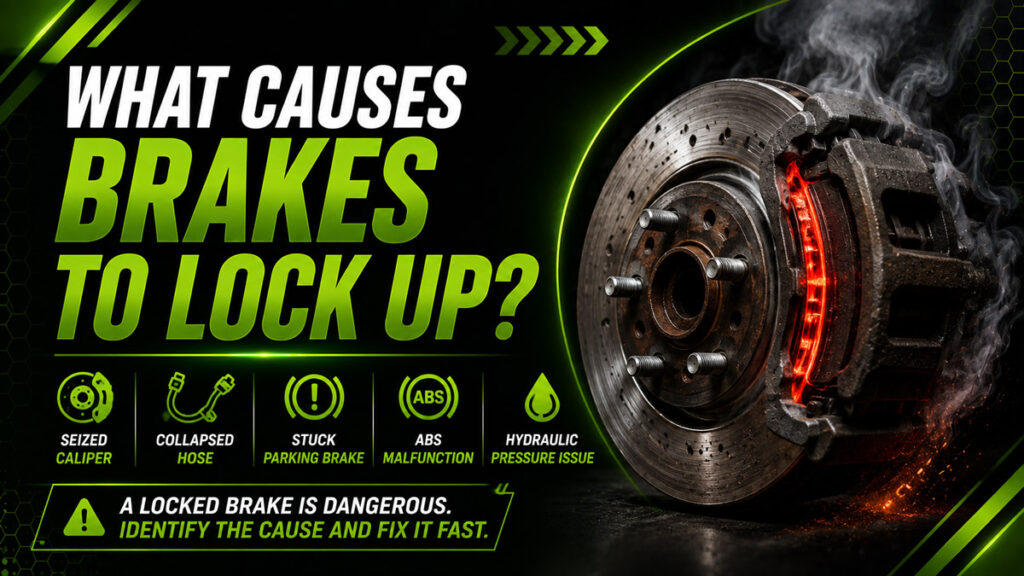
Brakes lock up when a wheel stops rotating while the vehicle is moving or when a brake remains applied after the driver releases the pedal. The most common causes are excessive braking force, a seized caliper, a collapsed brake hose, blocked hydraulic return flow, stuck parking-brake parts, or an ABS malfunction. Key Facts / At […]
How to Know If a Car Fuse Is Bad
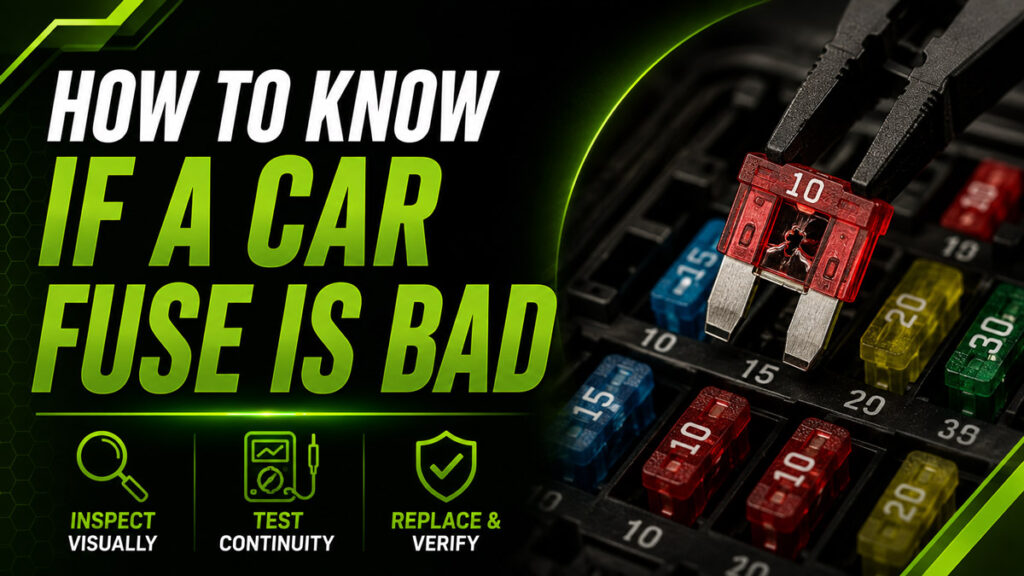
To learn how to know if a car fuse is bad, identify the correct circuit, switch the vehicle off, inspect the fuse, test it for continuity, install an exact replacement, and verify the affected device in nine steps. Most checks take 5–15 minutes and require beginner-level skill. Correctly identifying the fuse and matching its amperage […]
How Much Are Brake Pad Replacements?
Brake pad replacements typically cost $150 to $300 per axle for professional parts and labor. When worn, scored, or undersized rotors must also be replaced, the total commonly rises to $300 to $600 per axle, while luxury, performance, and heavy-duty vehicles may cost considerably more. Key Facts / At a Glance How Much Are Brake […]
How Bad Is a Radiator Leak? Diagnosis and Repair Guide
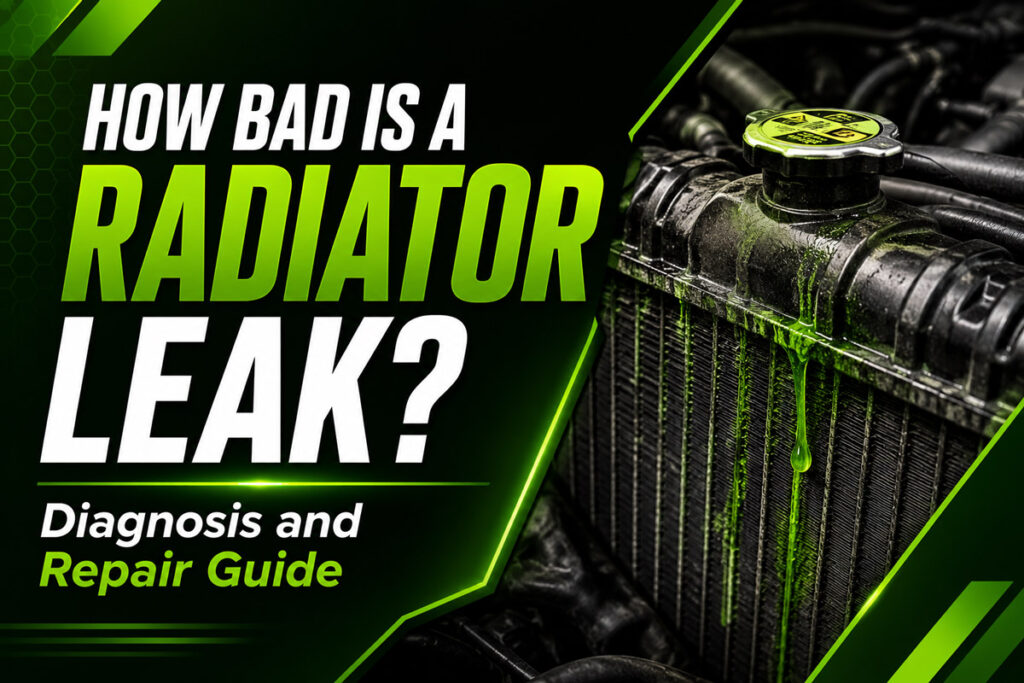
A radiator leak can become engine-destroying within minutes if coolant loss causes overheating. Diagnose the leak, assess coolant loss, stop the engine when necessary, pressure-test the system, repair or replace the failed component, refill the correct coolant, bleed trapped air, and verify the repair. Expect 30 minutes for diagnosis or 2.5–3.5 hours for radiator replacement. […]
How Do You Jump Start a Car Battery Safely?
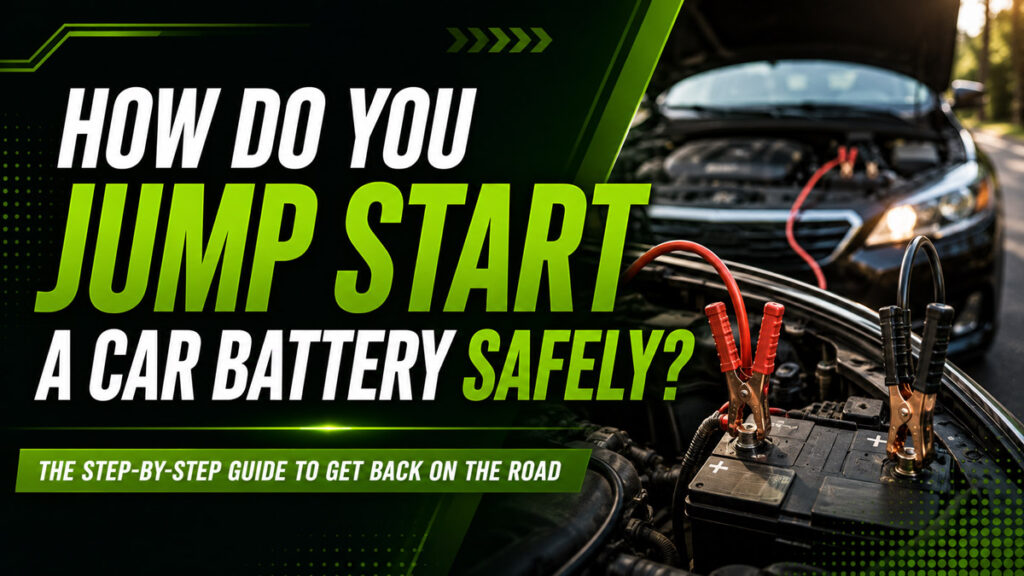
To learn how do you jump start a car battery, follow 10 steps: confirm the battery is safe, locate the approved terminals, position both vehicles, shut down electrical loads, connect four clamps in order, verify them, run the donor car, start the disabled car, disconnect in reverse, and recharge it. Allow 10–15 minutes for the […]
What Is a Brake Inspection? Types, Costs and Best Choice
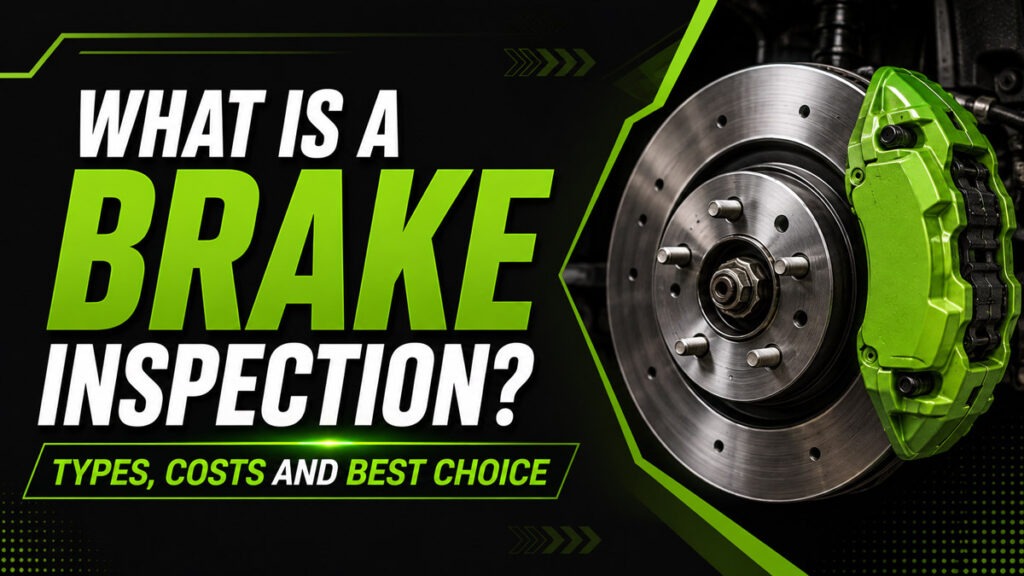
A brake inspection is a structured evaluation of the components that slow and hold a vehicle, including friction material, rotors or drums, hydraulics, fluid, parking brake, warning systems, and operating performance. For routine maintenance, a professional basic inspection offers the best value; for symptoms or an unknown vehicle, a full measured diagnostic inspection is the […]
Why Did My Check Engine Light Come On While Driving?
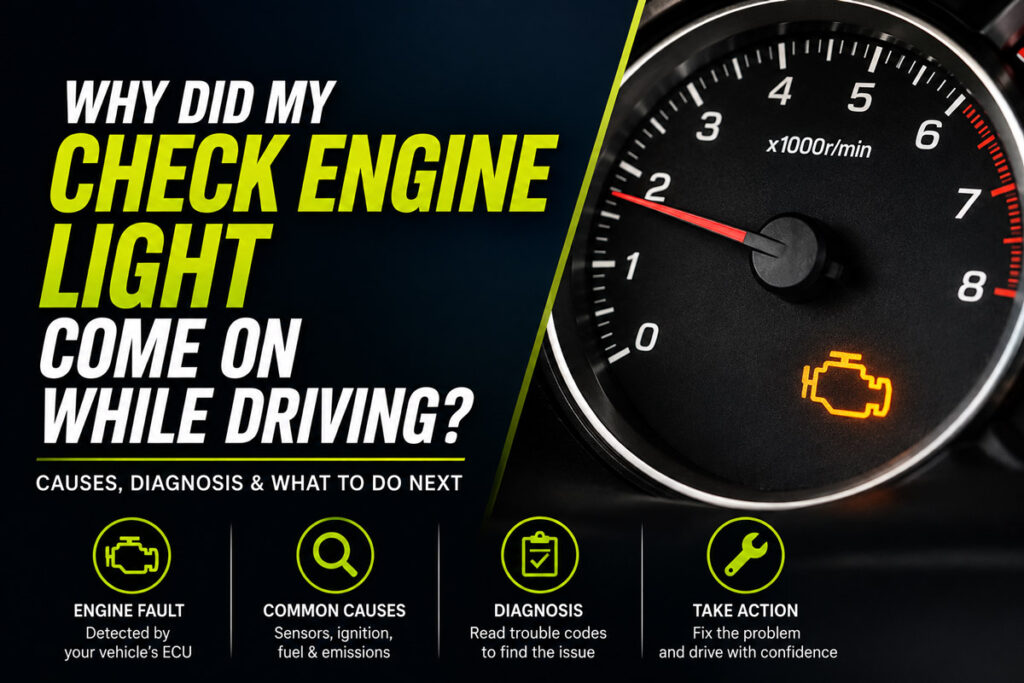
Your check engine light came on while driving because the engine control unit (ECU) detected an anomaly in the emissions, ignition, or fuel delivery systems. When sensor data deviates from factory parameters, the OBD-II system logs a Diagnostic Trouble Code (DTC) and illuminates the dashboard warning light. Key Facts / At a Glance What Should […]
What Does A Slipping Clutch Feel Like?
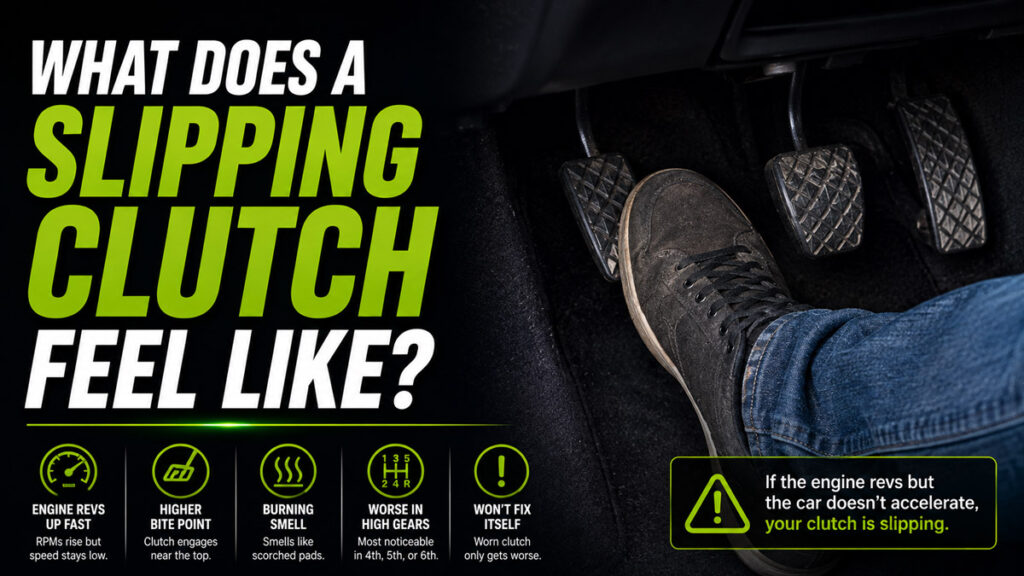
A slipping clutch feels like the engine is revving faster than the car is accelerating. The engine RPMs rise dramatically when the throttle is pressed, but the vehicle speed remains constant or barely increases. This occurs because the friction disc fails to lock completely against the engine’s flywheel. At a Glance Why Does A Manual […]
What Brake Pad Material Is Best?
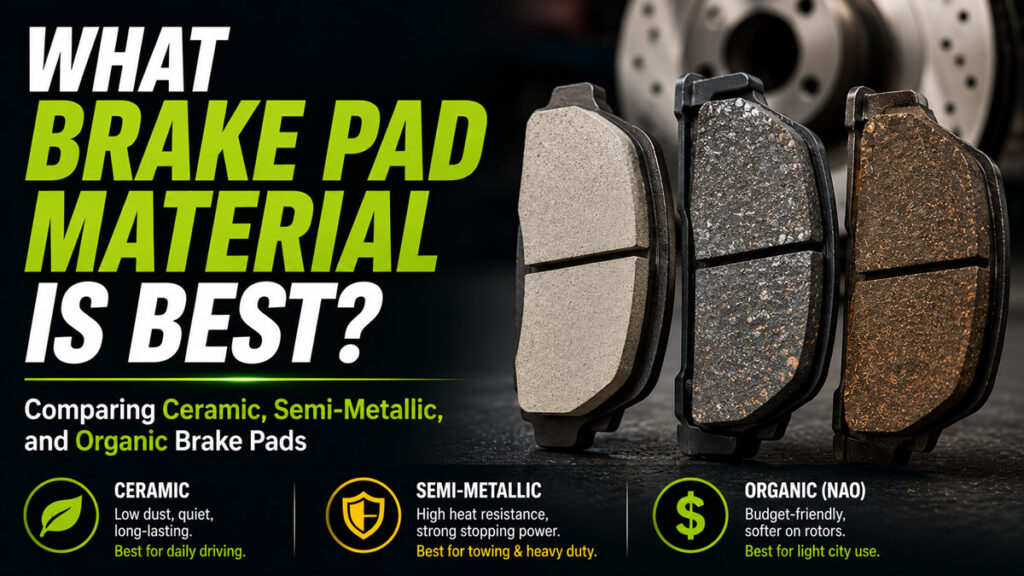
Ceramic brake pads are the best material for the vast majority of daily drivers due to their low dust, quiet operation, and 70,000 to 120,000-kilometer lifespan. However, heavy-duty trucks, towing vehicles, and track cars require semi-metallic brake pads to prevent dangerous heat fade and brake fluid boiling. At a Glance: Brake Pad Material Facts What […]
How to Fix a Coolant Hose Leak Permanently
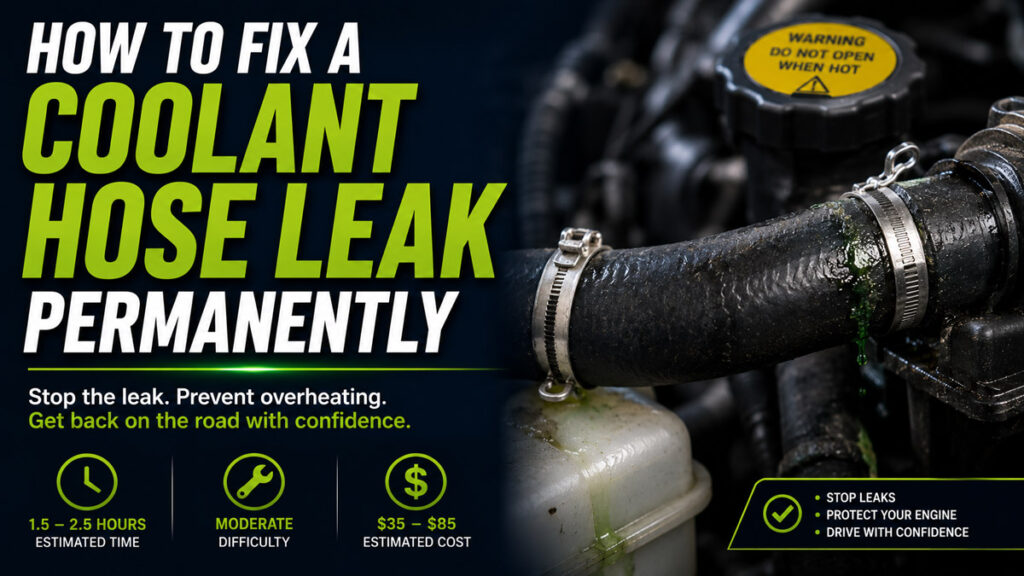
To fix a coolant hose leak, you must replace the damaged rubber, secure new clamps, and properly bleed the system of trapped air. This six-step process takes roughly two hours and moderate mechanical skill, with success depending entirely on ensuring an airtight seal and a perfectly bled cooling system. Step 1: Cool the Engine and […]