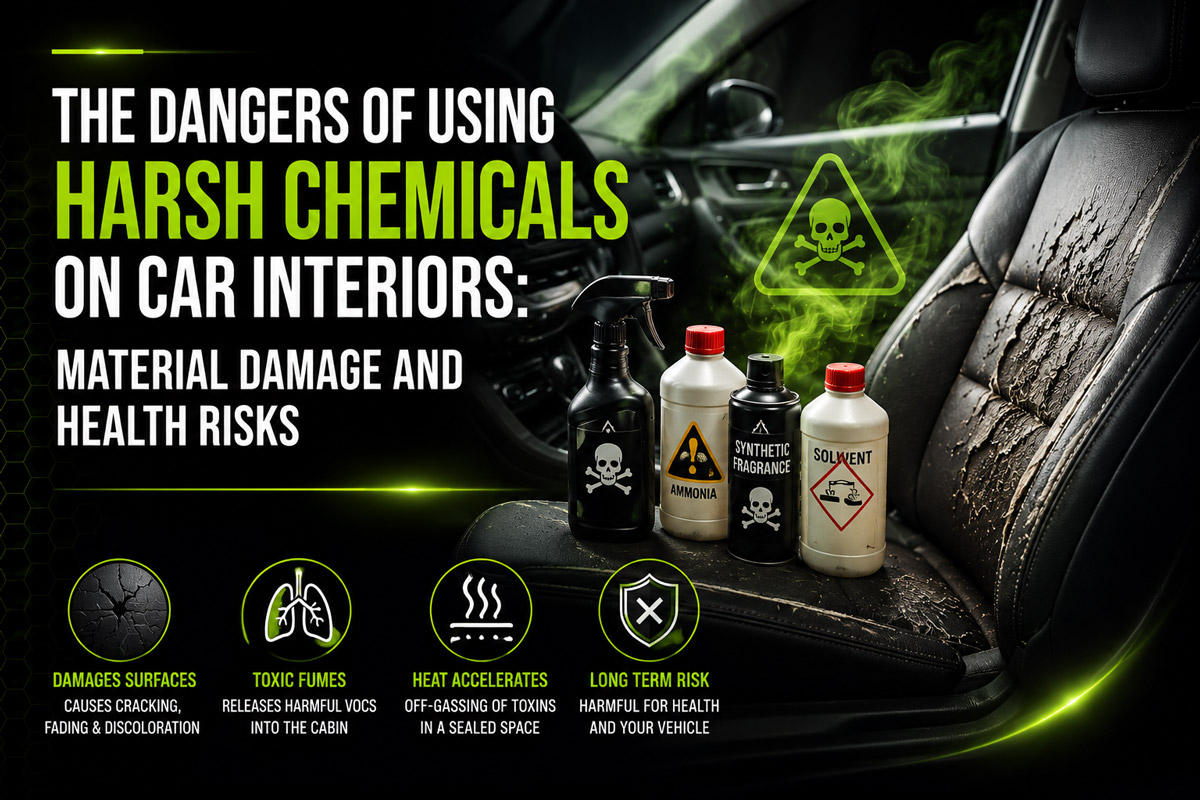
Maintaining a clean vehicle cabin is a priority for every driver who takes pride in their car. A clean interior enhances the driving experience, preserves vehicle resale value, and creates a pleasant environment for passengers. However, the methods and products commonly chosen to clean car cabins can lead to catastrophic consequences. Many popular automotive detailers, household multi surface sprays, aerosol fragrances, and aggressive degreasers rely on aggressive chemical compounds. Using harsh chemicals to clean or freshen your vehicle cabin can cause irreparable physical damage to interior materials and pose severe health risks to passengers in the enclosed space.
Unlike open indoor residential rooms, the interior of a automobile is a small, tightly sealed microclimate. When aggressive solvents, strong acids, or high alkaline bases are applied to interior surfaces, they do not simply disappear. Instead, these chemicals react chemically with delicate leather finishes, synthetic plastics, and fabric coatings while releasing volatile organic compounds directly into the air you breathe.
This comprehensive guide delves into the hidden chemistry of vehicle interior degradation, the dangerous health hazards of cabin air contamination, and the safest chemical free detailing methods available to keep your vehicle pristine without compromise.
The Enclosed Cabin Microclimate: Why Car Interiors Concentrate Toxic Fumes
To understand why chemical cleaners are uniquely dangerous inside a vehicle, one must analyze the physical environment of an automobile cabin. A vehicle interior features a low air volume paired with an exceptionally high surface area of synthetic materials, including vinyl, polyurethane, molded plastics, synthetic carpet, and leather topcoats.
Solar Thermal Off-Gassing Mechanism
How extreme greenhouse heat inside sealed glass cabins amplifies toxic airborne exposure
When a vehicle is parked under sunlight, solar radiation enters through the glass windows and becomes trapped. Cabin temperatures routinely climb to 150 degrees Fahrenheit, while dashboard surface temperatures can exceed 180 degrees Fahrenheit. Heat acts as a massive thermal catalyst that accelerates chemical reactions and increases vapor pressure.
Peer reviewed research published in leading scientific journals such as Environmental Science & Technology highlights that car cabins are already prone to airborne contamination. Flame retardant chemicals, including organophosphate esters like TCIPP, TDCIPP, and TCEP, are routinely added to seat foam and interior trim to meet federal flammability mandates. These flame retardants slowly off gas into cabin air. When vehicle owners spray aggressive chemical cleaners, synthetic fragrances, or solvent degreasers onto these heated surfaces, they trigger rapid chemical volatilization. The enclosed cabin traps these airborne toxins, creating a concentrated chemical vapor cloud that occupants inhale continuously while driving.
Physical Material Degradation Caused by Corrosive Interior Cleaners
Automotive manufacturers engineer interior materials to withstand daily wear, friction, and mild solar heat. However, these materials are sensitive to chemical balance. Applying cleaners with extreme pH values or strong organic solvents strips protective coatings, leaches plasticizers, and breaks down structural fibers.
Leather Surface Stripping, Desiccation, and Premature Cracking
Modern automotive leather seats are not raw hides. They are protected by a microscopic polyurethane clear coat engineered to preserve moisture, prevent dye transfer, and resist ultraviolet degradation. Beneath this clear coat, natural tanned leather fibers are saturated with fatliquors that keep the hide soft and pliable.
When high alkaline multi purpose cleaners, household degreasers, or harsh solvents are applied to leather, they initiate a chemical process called saponification. The strong alkaline ions dissolve the protective polyurethane topcoat, leaving the raw leather hide defenseless. Once the topcoat is compromised, the chemical cleaner strips out internal fatliquors and natural moisture.
As the leather dries, the fibers contract, stiffen, and lose elasticity. Over time, heat exposure causes the dry leather to discolor, crack open, and peel away. What was intended as a quick cleaning routine results in permanent leather seat cracking chemical damage that costs thousands of dollars to re-upholster.
Plasticizer Extraction and Dashboard Embrittlement
Vehicle dashboards, door panels, and center consoles are primarily constructed from polyvinyl chloride, molded thermoplastics, and synthetic elastomers. To make these rigid polymers flexible and soft to the touch, manufacturers blend in volatile chemical compounds known as plasticizers.
Harsh car detailing chemicals containing ammonia, isopropyl alcohol, heavy amines, or petroleum distillates act as strong organic solvents. When sprayed onto synthetic plastic surfaces, these chemicals break the physical bonds holding plasticizers within the polymer matrix. The solvents extract the plasticizers to the surface, where they evaporate under solar heat.
This process causes dramatic plastic embrittlement. As plasticizers vanish, the dashboard material loses structural flexibility. The plastic turns sticky, discolored, and chalky, developing micro fractures that grow into deep dashboard cracks when exposed to direct sun exposure.
Plasticizer Extraction Process
How harsh solvents and solar radiation break down PVC vinyl dashboards
High Alkaline Chalky Residues and Plastic Pore Contamination
Many cheap automotive degreasers and exterior cleaning concentrates feature high alkaline formulas with pH levels ranging from 10 to 14, often containing sodium hydroxide or potassium hydroxide. Detailers sometimes mistakenly use these aggressive cleaners on interior door sills, footwells, and lower plastic panels to remove grease or shoe scuffs.
When high alkaline cleaners dry inside a warm cabin, sodium compounds react with moisture and carbon dioxide in the air. This chemical reaction leaves behind a permanent white, powdery, chalky residue embedded deep within the microscopic pores of textured plastic.
Because the alkaline salt crystals become bonded inside the plastic grain, standard wiping will not remove them. Water temporarily hides the residue, but as soon as the plastic dries, the unsightly white chalky bloom reappears, indicating surface oxidation and chemical contamination.
Fabric Dye Bleaching and Upholstery Structural Failure
Car seats, headliners, and carpets are woven from synthetic fibers such as polyester and nylon, treated with factory stain repellents. Using chlorine bleach, hydrogen peroxide solutions, or concentrated spot removers to clean stains chemically alters the fabric structure.
Strong oxidizing agents break the chemical chromophore bonds within fabric dyes. This leads to uneven blotching, yellowing, and permanent color bleaching. Furthermore, acidic or alkaline chemical residues trapped inside carpet fibers continue to react with atmospheric moisture long after cleaning is complete. This ongoing chemical activity rots the fiber core, causing carpet threads to fray, unravel, and lose structural integrity.
Ammonia Destruction of Aftermarket Window Film and Rubber Weatherstripping
Glass cleaning is an essential part of car maintenance, but standard household glass cleaners frequently rely on ammonium hydroxide as a primary grease cutter. Ammonia is exceptionally destructive to automotive glass components.
Most modern vehicles feature aftermarket or factory tint films made of thin polyester layers bonded with acrylic adhesives. Ammonia chemically attacks the acrylic adhesive layer, dissolving the glue and causing the tint film to bubble, peel away, and turn a cloudy purple color.
Additionally, ammonia overspray running down glass panes lands directly on ethylene propylene diene monomer rubber weatherstripping. Ammonia strips natural oils from rubber gaskets, leading to dry rot, shrinking, and seal failure, which allows rainwater and wind noise to enter the vehicle cabin.
Health Hazards of Airborne Fumes and Chemical Residues in Enclosed Cabins
While physical material damage compromises vehicle value, the human health hazards associated with toxic car cleaning chemicals are far more severe. Driving inside a car with chemical contamination exposes occupants to continuous low dose inhalation and dermal exposure.
Health Impacts of Cabin Chemical Fumes
Acute physiological reactions vs. long-term chronic chemical exposure risks
Acute Short-Term Effects
Immediate- Severe Headaches: Triggered by solvent vapor inhalation and localized vascular constriction.
- Dizziness & Nausea: Central nervous system reaction to concentrated volatile organic compounds (VOCs).
- Respiratory Irritation: Upper airway inflammation causing coughing, throat tightness, and air hunger.
- Eye & Throat Burning: Direct mucosal tissue irritation from airborne alkaline and ammonia gases.
Chronic Long-Term Risks
Cumulative- Carcinogenic Risk: Prolonged exposure to off-gassed flame retardants (TCIPP/TDCIPP) and benzene derivatives.
- Endocrine Disruption: Phthalates and plasticizer vapors interfering with hormone regulation systems.
- Nervous System Harm: Chronic neurotoxic accumulation leading to cognitive fatigue and memory impairment.
- Contact Dermatitis: Severe skin sensitivity and eczema caused by persistent chemical residue contact.
Inhalation Dangers and Acute Respiratory Tract Irritation
Volatile organic compounds evaporated from interior cleaners enter the lungs rapidly. Immediate exposure symptoms include acute upper respiratory tract irritation, sinus inflammation, burning sensations in the nasal passages, coughing, and shortness of breath.
When drivers operate a vehicle while inhaling concentrated solvent fumes or synthetic fragrance vapors, central nervous system depression can occur. This manifests as sudden headaches, dizziness, reduced reaction time, drowsiness, and difficulty focusing on the road.
Chemical Off Gassing Duration and Toxic Carcinogens
A major danger of traditional automotive cleaning products is their persistence. Chemical residues absorbed into carpet fibers, seat cushions, and acoustic insulation do not dissipate immediately. They continue off gassing toxic fumes for months after application.
Many standard car detailing sprays, solvent spotters, and synthetic air fresheners contain hazardous airborne contaminants:
- Benzene: A known human carcinogen linked to leukemia and blood disorders, used as an industrial solvent.
- Formaldehyde: A volatile organic compound causing nasal cancer, respiratory sensitization, and severe asthma attacks.
- Phthalates: Synthetic fragrance fixatives that act as potent endocrine disruptors, interfering with hormonal balance.
- Organophosphate Flame Retardants: Added during foam manufacturing (TCIPP, TDCIPP, TCEP) that break down under chemical cleaning reactions into carcinogenic vapors.
Thermal Compounding: Solar Heat Accelerating Off Gassing Volatilization
The thermal dynamics inside a vehicle drastically amplify airborne toxic exposure. As solar radiation heats the car cabin to 150 degrees Fahrenheit, the rate of chemical volatilization increases exponentially.
Cabin Temperature vs. Off-Gassing Volatilization
How greenhouse solar heat accelerates chemical vapor emissions inside sealed interiors
Thermal Off-Gassing Volatilization Rate
Impact of rising cabin temperatures on chemical vapor emission multipliers
Under extreme summer heat, chemicals trapped within seat padding and interior trim off gas at more than five times their normal rate. Turning on the vehicle air conditioning in recirculation mode simply cycles these concentrated toxic fumes through the ducting repeatedly, exposing occupants to maximum airborne contamination.
Vulnerability of Children, Infants, and Domestic Pets
Children and infants face significantly elevated health risks from toxic vehicle cabin air and surface residues. Pound for pound, young children breathe a greater volume of air than adults, meaning they inhale a higher dose of airborne volatile organic compounds per minute.
Furthermore, children frequently touch interior door handles, seat fabric, and windows before placing their hands near their mouth or eyes. Toxic chemical residues left on car seats and armrests transfer directly to children skin, leading to hand to mouth chemical ingestion and contact dermatitis, which causes skin rashes, itching, and redness.
Toxic Ingredients to Blacklist from Your Car Detailing Supply Cabinet
To protect your vehicle interior and safeguard your family health, examine the ingredient labels of all automotive care products. Immediately eliminate products containing the following hazardous compounds:
Safe Chemical Free Detailing Alternatives and Nontoxic Restoration Methods
Achieving a pristine, showroom quality car interior does not require harsh synthetic chemicals. By utilizing mechanical cleaning physics, thermal steam extraction, and pH neutral plant based formulations, you can safely clean, sanitize, and preserve every interior surface.
Safe Non-Toxic Detailing Pillars
Core methodologies for chemical-free, surface-safe vehicle interior restoration
The Science of High Density Split Microfiber and Warm Water
The single most powerful tool in safe vehicle detailing is high density split microfiber. Unlike standard cotton towels that simply push dirt around, split microfiber features synthetic polyester and polyamide fibers woven into microscopic wedge channels.
When dampened with warm pure water, split microfiber creates a natural electrostatic charge. The microscopic channels trap oils, dust, skin grease, and sticky residues mechanically. This eliminates the need for chemical solvents on dashboards, touchscreens, leather seats, and steering wheels.
Thermal Decontamination Using High Temperature Dry Steam
For deep cleaning fabric seats, floor carpets, and stubborn grease spots, pressurized thermal steam is the ultimate chemical free solution. Commercial steam extractors heat pure water to 212 degrees Fahrenheit, producing dry vapor steam.
Thermal steam penetrates deep into upholstery fibers, instantly loosening grime, killing bacteria, neutralizing mold spores, and breaking down spilled food residues. Because dry steam uses minimal moisture and zero synthetic detergents, it leaves zero chemical residue behind and dries rapidly without causing mildew.
pH Neutral Automotive Specific Cleaners
When pure water is insufficient for heavy grease or protein stains, choose specialized automotive cleaners certified as pH neutral (pH 6.5 to 7.5).
Chemical pH Safety Spectrum
Understanding safe pH thresholds for automotive leather, vinyl, and plastics
pH neutral cleaners remove heavy soils through gentle surfactant action without altering the chemistry of polyurethane leather topcoats or extracting vinyl plasticizers. They leave interior materials supple, clean, and physically protected.
Natural Air Purification and Odor Absorption
Instead of masking foul odors with synthetic aerosol sprays containing phthalates and formaldehyde, utilize natural adsorption media.
- Activated Bamboo Charcoal Bags: Place activated carbon bags beneath car seats. The porous carbon structure passively adsorbs moisture, volatile organic compounds, and organic odors from cabin air.
- Baking Soda Carpet Powder: Sprinkle pure sodium bicarbonate onto floor carpets, allow it to sit for 30 minutes, and vacuum thoroughly to neutralize acidic spill odors.
- Whole Coffee Beans: A bowl of whole roasted coffee beans inside a parked car absorbs stale odors while imparting a natural, mild aroma.
Cabin Ventilation Protocols and Solar Heat Mitigation
To maintain safe cabin air quality and prevent thermal off gassing build up:
- Pre Drive Air Purge: Before sitting in a vehicle parked under direct sun, open all four doors for 60 seconds to flush out trapped hot air and accumulated chemical vapors.
- Fresh Air Intake Settings: Set your climate control system to draw fresh outside air rather than running in continuous recirculation mode.
- Reflective Solar Sunshades: Place a custom fit reflective windshield sunshade when parking outdoors to keep dashboard temperatures cool and minimize plasticizer evaporation.
Step by Step Blueprint for Safe Chemical Free Vehicle Interior Restoration
Follow this systematic blueprint to deep clean and restore your vehicle interior without exposing your cabin to toxic chemicals or damaging delicate surfaces.
Chemical-Free Interior Restoration Flowchart
Purge
- Open windows & doors
- Vacuum loose debris
Steam Clean
- Agitate carpets with steam
- Lift grime with microfiber
Condition
- Apply pH neutral balm
- Preserve leather topcoat
Phase 1: Cabin Ventilation and Dry Loose Debris Extraction
- Open all four vehicle doors wide in a well ventilated outdoor area to allow accumulated airborne VOCs to escape.
- Remove rubber floor mats and wash them using pure water and a stiff nylon bristle brush.
- Vacuum all carpets, seat crevices, and headliners using a high suction wet or dry vacuum equipped with a soft horsehair brush attachment to avoid scratching plastic trim.
Phase 2: Microfiber Decontamination of Hard Touchpoints
- Fold a high density 350 GSM split microfiber towel into quarters.
- Lightly mist the towel with warm distilled water. Ensure the towel is damp, not dripping wet.
- Wipe down the dashboard, steering wheel, gear shifter, center console, and door panels using gentle straight line passes.
- Flip the microfiber towel to a clean dry side to buff away any remaining moisture, leaving a clean matte finish.
Phase 3: Upholstery Steam Extraction and Spot Removal
- Fill a commercial steam cleaner with pure distilled water and allow it to reach operating temperature (212 degrees Fahrenheit).
- Attach a triangular fabric tool wrapped in a clean microfiber bonnet.
- Pass the steam tool slowly over cloth seats and floor carpets, allowing heat to dissolve ground in dirt and sanitize the fabric.
- For stubborn spots, agitate the area gently with a soft nylon brush while applying targeted steam vapor, then dry vacuum the loosened soil immediately.
Phase 4: pH Neutral Leather Preservation
- Spray a certified pH neutral leather cleaner onto a soft horsehair detailing brush.
- Work the foam into the leather grain using light circular motions to lift embedded body oils without scrubbing.
- Wipe away the suspended grime instantly using a clean microfiber cloth.
- Apply a water based, solvent free leather conditioner to replenish essential moisture and protect the polyurethane clear coat from UV drying.
Phase 5: Passive Carbon Odor Neutralization
- Place two 200 gram activated bamboo charcoal bags beneath the driver and front passenger seats.
- Leave the carbon bags inside the vehicle continuously to absorb ambient moisture, stale smells, and off gassing organic compounds.
- Recharge the charcoal bags once per month by placing them under direct outdoor sunlight for two hours.
Frequently Asked Questions About Car Interior Chemical Dangers
Why are household cleaners like Clorox wipes or Windex dangerous for car interiors?
Household disinfectant wipes and window sprays contain high concentrations of ammonium hydroxide, bleach, or quaternary ammonium compounds engineered for non porous home surfaces like tile or porcelain. When applied to car interiors, these aggressive chemicals strip protective polyurethane leather coatings, dissolve tint adhesives, extract plasticizers from dashboards, and leave toxic airborne residues trapped inside the small cabin space.
Can chemical damage on car dashboards or leather seats be repaired?
Minor leather desiccation and surface dullness can often be restored by applying a quality pH neutral leather conditioner to replenish lost moisture. However, severe chemical damage such as cracked leather hides, bleached carpet spots, peeled window tint, or embrittled dashboards cannot be reversed with cleaning. Replacing the compromised upholstery or re-covering the dashboard structure is typically required.
How do summer temperatures affect the toxicity of car interior cleaning products?
Solar heat causes a dramatic increase in thermal off gassing. Inside a vehicle parked in summer heat where cabin temperatures reach 150 degrees Fahrenheit, chemical solvent residues trapped in carpet fibers and foam padding volatilize up to five times faster than at room temperature. This drastically increases airborne toxin concentrations, elevating respiratory and neurological risks for passengers.
Are natural essential oil air fresheners safe inside vehicles?
While essential oils avoid synthetic phthalates found in artificial air fresheners, they still release organic volatile compounds into enclosed spaces. Furthermore, direct contact between concentrated essential oil drops and interior plastic or leather surfaces can cause chemical melting, warping, and paint stripping. Utilizing passive activated bamboo charcoal bags remains the safest method for cabin air purification.
Conclusion: Protecting Your Health and Preserving Vehicle Value
Using harsh chemicals to clean or freshen your vehicle cabin introduces unnecessary risks that far outweigh any temporary aesthetic benefit. Corrosive cleaners, high alkaline degreasers, ammonia solvents, and synthetic fragrances strip protective topcoats, cause irreversible plastic embrittlement, discolor fine fabrics, and contaminate the air you breathe with toxic volatile organic compounds.
By switching to mechanical microfiber cleaning, thermal dry steam extraction, pH neutral formulations, and passive activated charcoal odor absorbers, you can maintain a pristine vehicle cabin while protecting your family long term health and preserving your car resale value.
Take the Next Step: Get Your Free Nontoxic Vehicle Care Blueprint
Are you ready to safely restore your car interior without using toxic chemicals? Share your specific vehicle details with our expert team:
- The exact materials you need to clean (such as leather, cloth, alcantara, soft touch plastic, or ceramic tint).
- The specific mess or stain you want to remove (such as ground in dirt, sticky drink spills, salt marks, or pet odors).
- The cleaning tools you currently have available (such as wet or dry vacuums, microfiber cloths, or steam extractors).
Our automotive care specialists will assemble a customized, step by step, chemical free cleaning blueprint tailored specifically to your vehicle. Protect your health and preserve your investment today!