Why Does My Car Air Conditioner Smell? Causes and Solutions
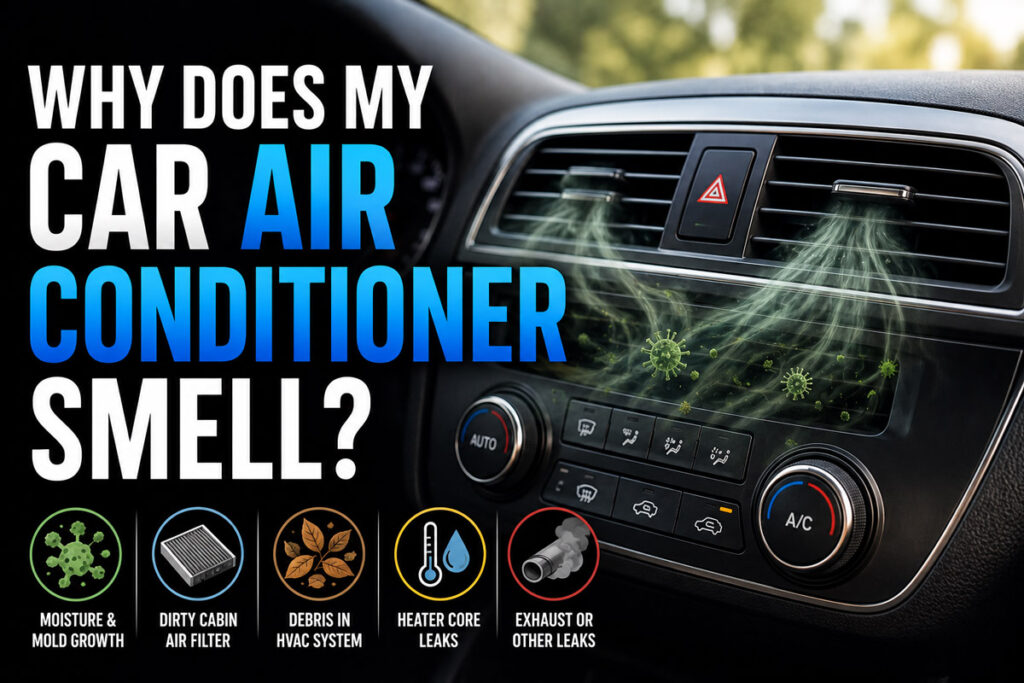
A car air conditioner usually smells because moisture, dust, pollen, or leaves have contaminated the evaporator, cabin filter, drain pan, or air ducts. Musty odors suggest biological growth, while sweet, burning, sulfur-like, or chemical smells can indicate coolant leaks, overheating components, exhaust problems, or trapped debris requiring immediate diagnosis. At a Glance Why Does My […]
Why Is My Car AC Not Working?
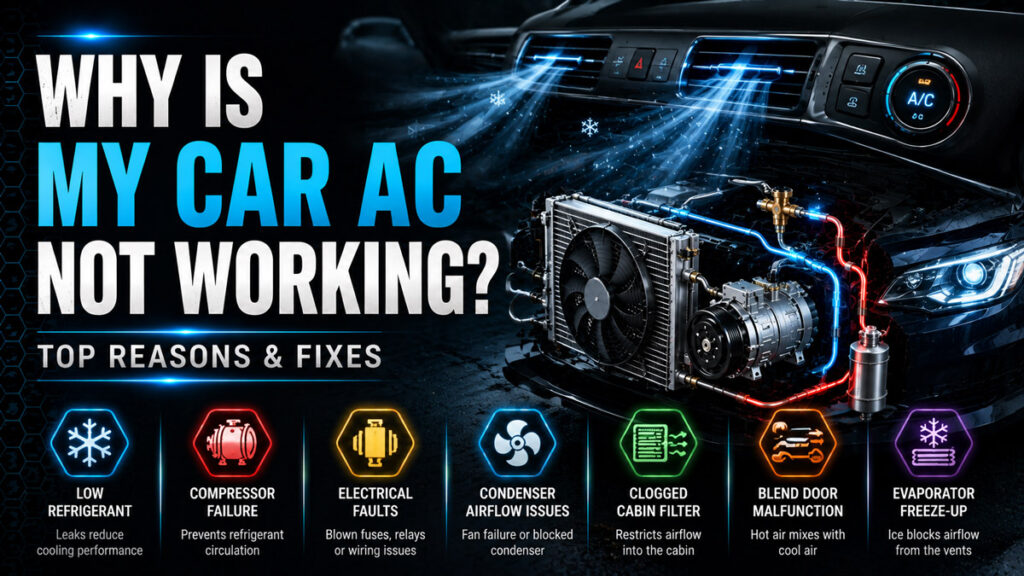
A car AC may stop working because of low refrigerant, a refrigerant leak, compressor failure, an electrical fault, restricted condenser airflow, a clogged cabin filter, or a malfunctioning blend door. The exact cause depends on whether the system has weak airflow, warm air, intermittent cooling, unusual noises, or a compressor that will not engage. At […]
Does Gasoline Ruin Car Paint? Spill Fixes Explained
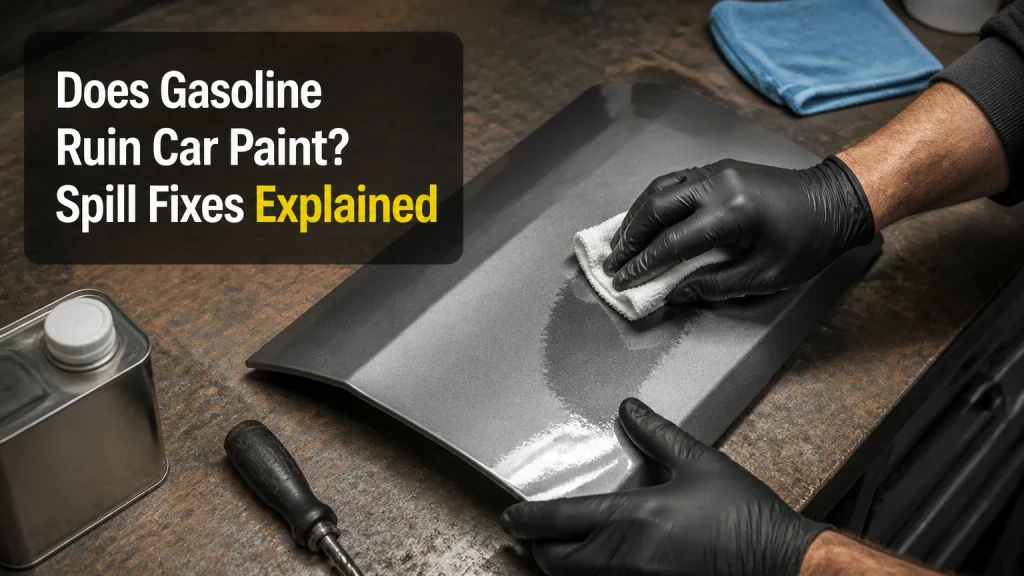
Yes, gasoline can damage car paint, especially when fuel remains on the surface, sits in sunlight, or reaches an older or weakened finish. A brief splash on a modern clear coat usually causes no permanent harm when rinsed promptly, but gasoline can strip wax, soften some coatings, stain residue, and worsen existing clear-coat defects. Key […]
Will Ceramic Coating Prevent Scratches and Rock Chips? The Real Truth Explained
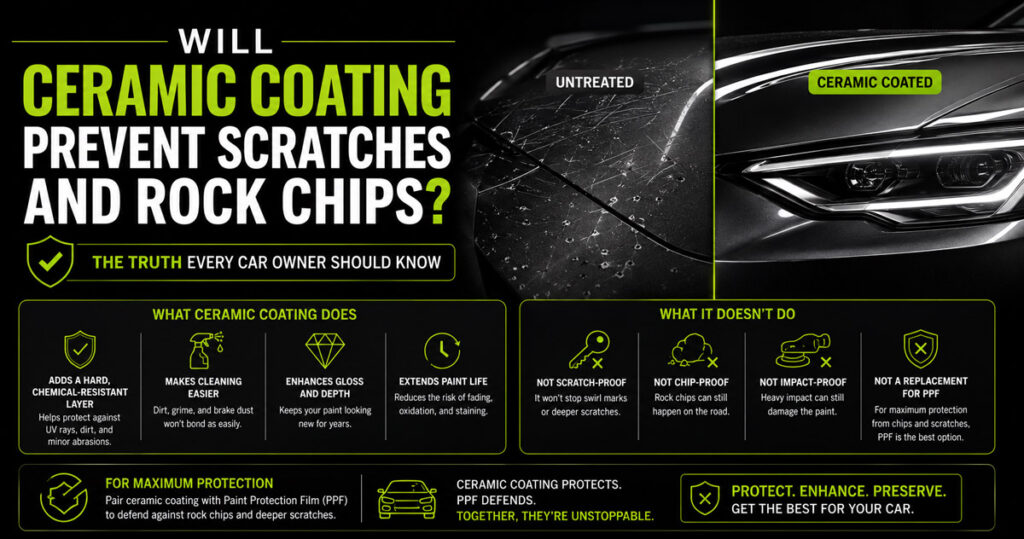
Every car enthusiast or new vehicle owner faces a common dilemma: how to keep that factory-fresh paint looking immaculate for years. Among modern detailing solutions, ceramic coatings have surged in popularity, celebrated for delivering incredible mirror-like gloss and hydrophobic water-beading performance. However, aggressive marketing campaigns and internet myths have led many drivers to believe that […]
Can You Use a Marine Battery for a Car? Safe Limits
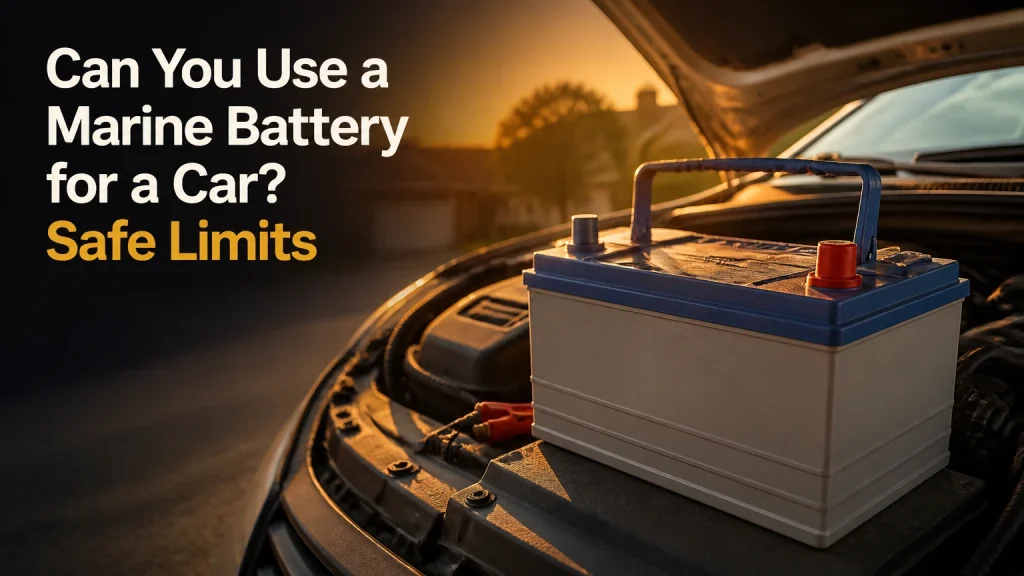
Yes, a marine battery can power a car temporarily if it is a 12-volt starting or dual-purpose battery with sufficient CCA, correct polarity, secure mounting, and compatible terminals. A pure deep-cycle marine battery is a poor primary replacement because its design favors prolonged discharge rather than the high-current burst required by an automotive starter. Key […]
What Makes a Car AC Blow Cold Air? Explained
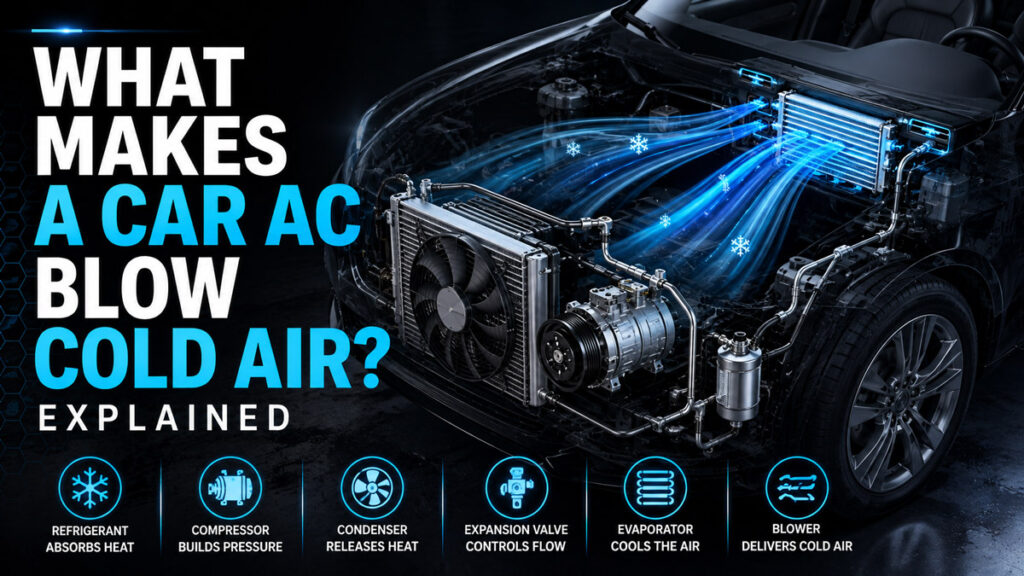
The most common reason a car is not blowing cold air is low refrigerant caused by a leak. Low system pressure can prevent the AC compressor from engaging or reduce the system’s ability to transfer heat. Other causes include a failed compressor, condenser airflow problems, electrical faults, evaporator icing and blocked cabin airflow. At a […]
Does Windex Work on Car Windows? Safe Choices and Steps
Yes, Windex works on car windows when the formula is compatible with the glass, tint, and surrounding trim. Ammonia-free Windex is the safest household choice for automotive glass, while Original Windex should be avoided on aftermarket window film and kept away from dashboards, leather, electronics, and rubber seals. Key Facts at a Glance Does Windex […]
Post Winter Decontamination: Complete Guide to Preparing Your Car for Spring in Utah
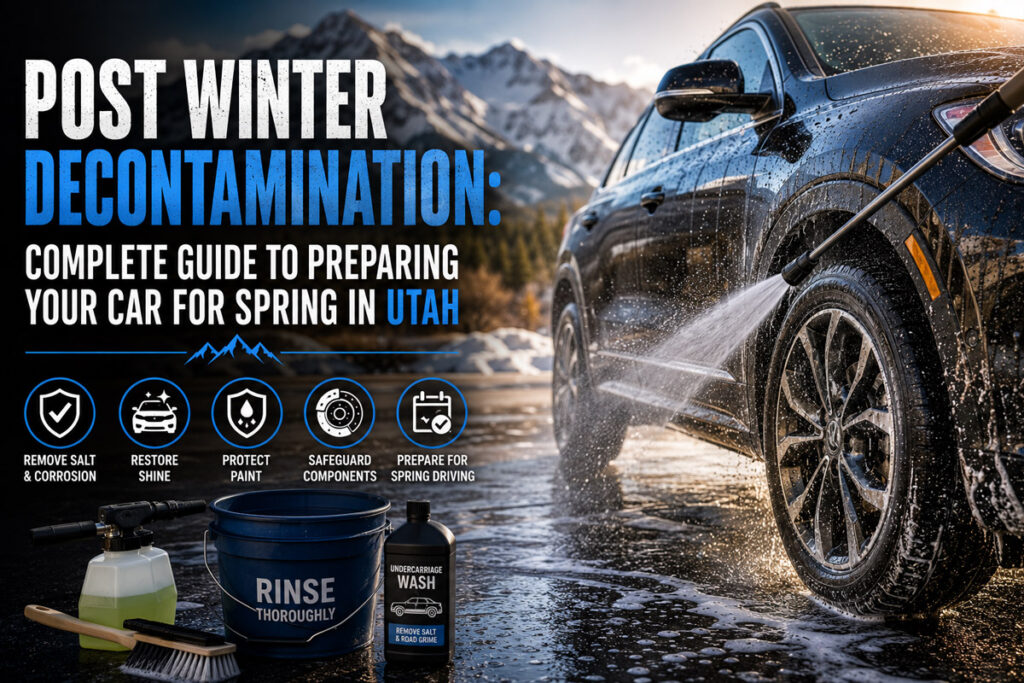
Winter in Utah delivers world class powder to the Wasatch Mountains, but it leaves behind a destructive chemical legacy on your vehicle. Driving along Interstate 15, State Route 92, or through the snow covered canyons of Salt Lake and Utah County forces your car to endure months of relentless chemical exposure. The Utah Department of […]
How Can I Find the Trim of My Car? VIN Decoder Guide

You can find your car’s trim by entering its 17-character VIN into the NHTSA VIN Decoder, checking the driver’s door-jamb label, comparing the vehicle with the manufacturer’s specifications for its model year, or reviewing the original window sticker. For parts, insurance, or resale, confirm the result with an OEM dealer or factory build sheet because […]
How to Replace Airbags Safely and Correctly

Learn how to replace airbags in seven exact steps, covering system deactivation, module removal, squib wiring disconnection, clockspring replacement, installation, and safe re-energization. This process takes roughly two hours and requires strict adherence to safety protocols. The single factor that most determines success is allowing the SRS backup capacitor to drain completely before starting. Before […]