How to Disable a Passenger Airbag
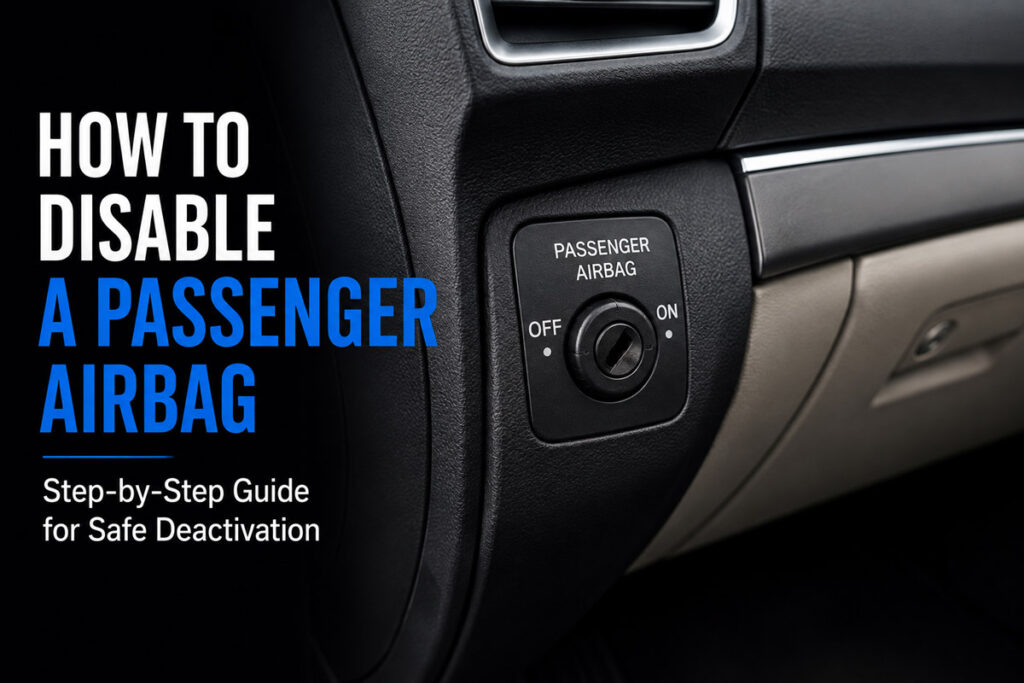
Safely deactivating a passenger airbag requires using a factory key switch, manipulating weight sensors, or installing an NHTSA-approved aftermarket kit. This guide details the exact steps to locate your vehicle’s switch, disconnect battery power, drain SRS capacitors, and verify deactivation. Strict adherence to safety protocols is the single most critical factor for success. Method 1: […]
Clay Bar Treatment 101: How to Decontaminate Car Paint for a Flawless Finish
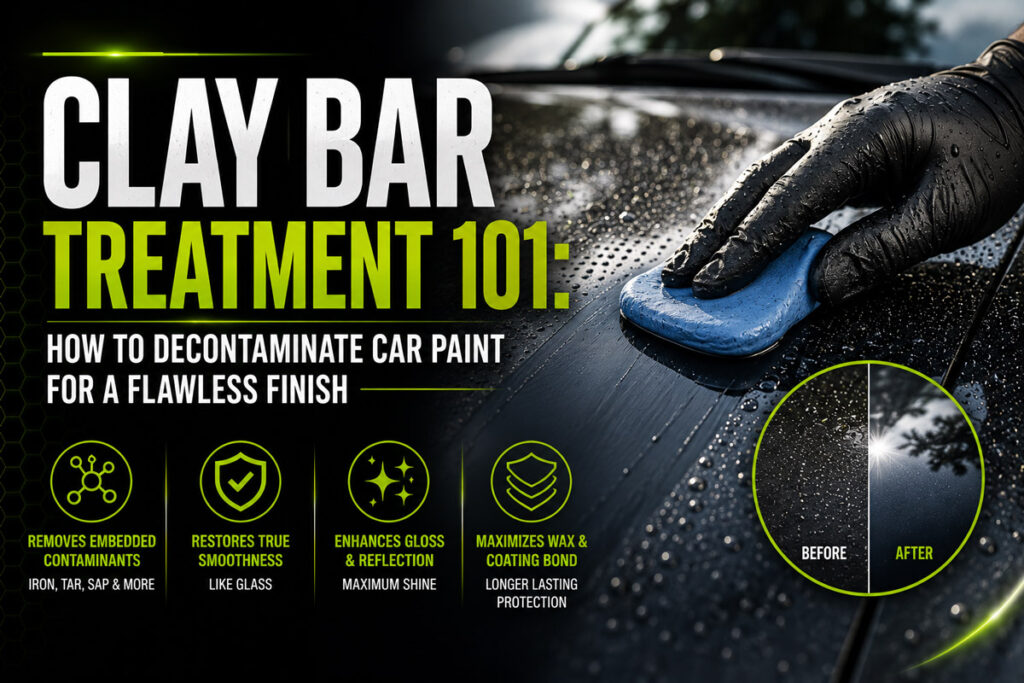
Maintaining a pristine automotive exterior requires far more than a routine wash with soap and water. Over time, every vehicle driven on highways or parked outdoors accumulates microscopic surface impurities that wash buckets simply cannot dislodge. Environmental pollutants such as industrial fallout, brake dust, rail dust, tree sap, and asphalt tar become physically embedded inside […]
How Often Should You Detail Your Car? Smart Schedule

How often you should detail your car depends on exposure, use, storage, and your finish goals. Most daily-driven vehicles need a professional or thorough DIY detail every 3-6 months, while weekly washing and prompt spill removal handle routine maintenance. High-mileage, outdoor-parked, coastal, family, and pet vehicles often need detailing every 2-4 months. Key Facts at […]
How to Turn Off Passenger Airbag Systems Safely
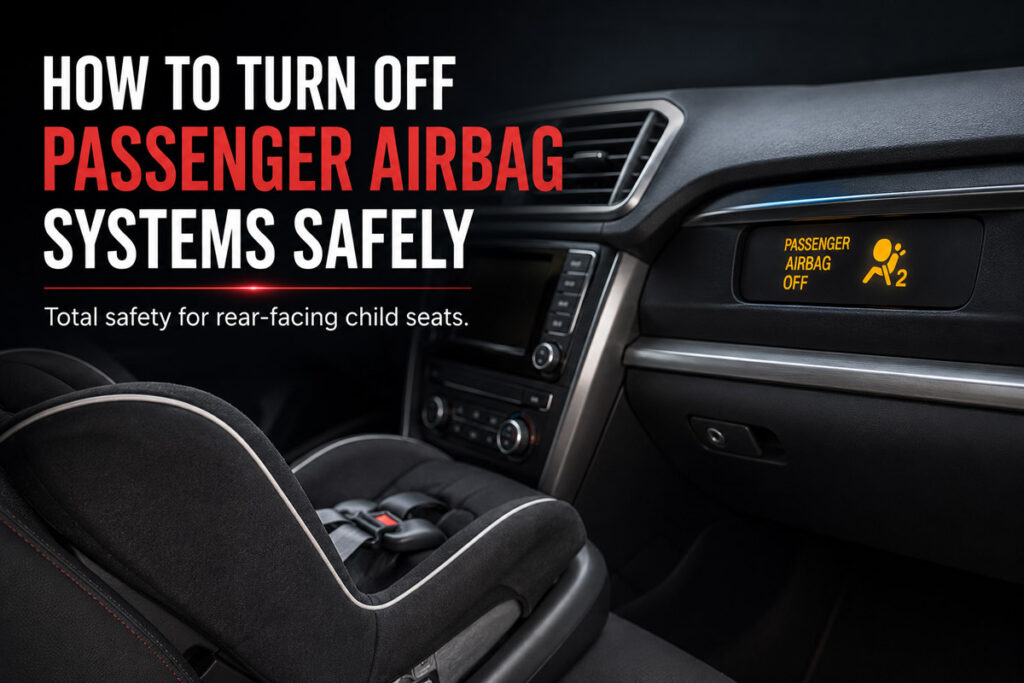
To learn how to turn off passenger airbag systems safely, you must first identify whether your vehicle uses a physical key switch or an automatic Occupant Classification System (OCS). You can complete this one-minute procedure by either turning a dashboard cylinder or managing seat weight, ensuring total safety for rear-facing infant seats. Before You Start […]
What Do Brakes Look Like?
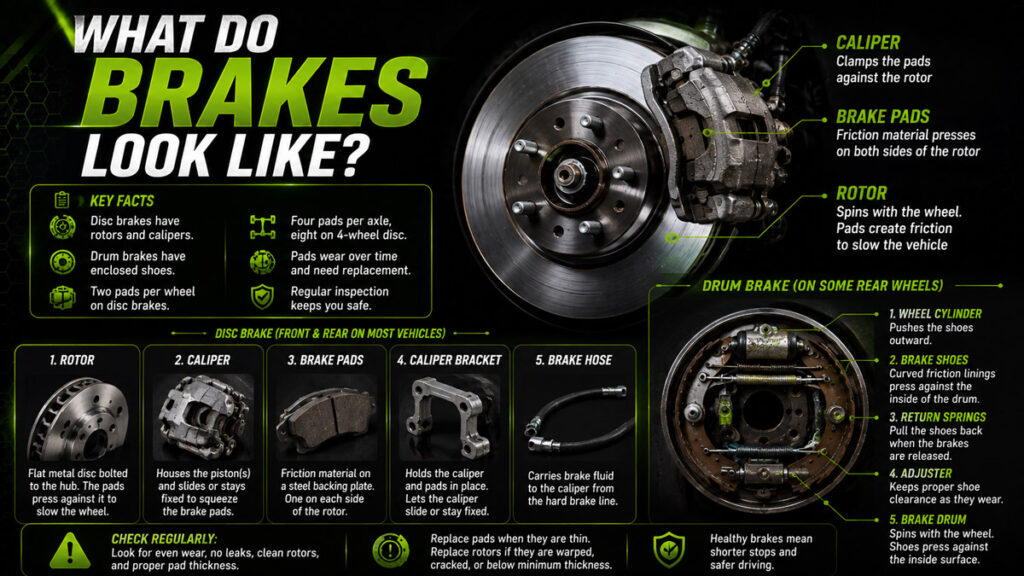
Car brakes look like heavy metal components mounted directly behind each wheel. Disc brakes have a flat circular rotor gripped by a thick caliper, while drum brakes look like a closed metal bowl that hides curved shoes, springs, and a wheel cylinder inside. Where Are Car Brakes Located? Car brakes are mounted at each wheel, […]
How to Burp a Car Radiator Safely in 30-45 Minutes
To burp a car radiator, start with a completely cold engine, fill the correct radiator or expansion tank with compatible coolant, run the engine with the heater on high, and let trapped air escape through a funnel or bleeder valve. The process usually takes 30-45 minutes, but the vehicle service manual determines the exact procedure. […]
How Fast Do Airbags Deploy?
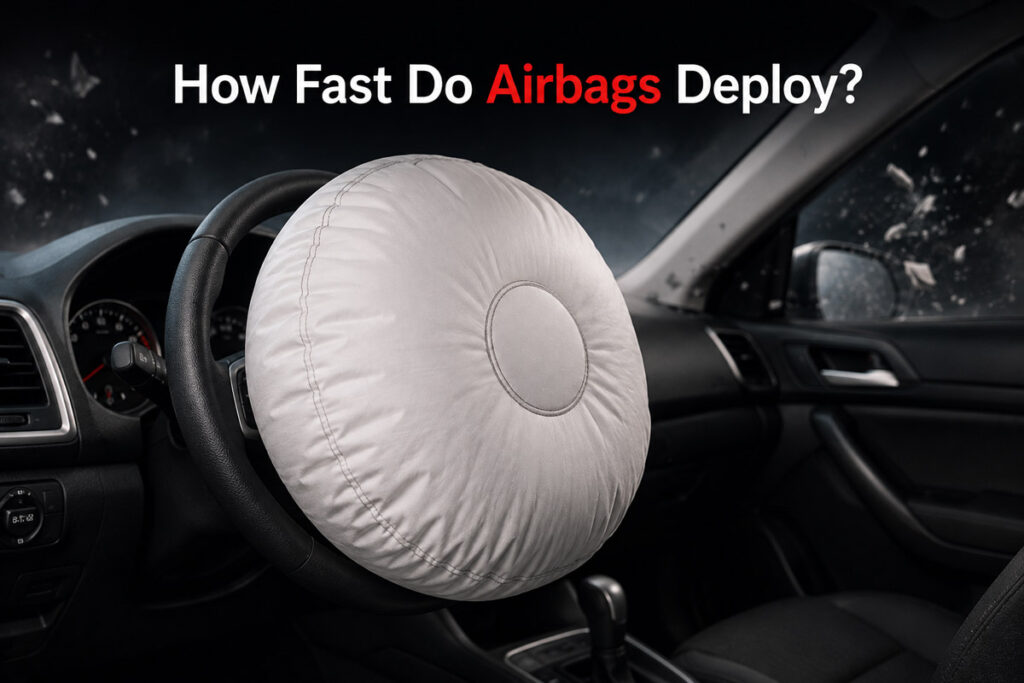
Airbags typically deploy and inflate within approximately 20 to 50 milliseconds, or 0.02 to 0.05 seconds, after a qualifying crash begins. A modern frontal airbag may be fully inflated in about 30 milliseconds, while side-impact systems may require an even faster deployment decision because occupants have less protective space beside them. How Fast Do Airbags […]
How to Clean Off Bugs From Car Safely in 15 Minutes
To clean off bugs from a car safely, cool the surface, rinse away loose grit, apply an automotive bug remover, let it dwell without drying, then wipe with abundant lubrication and a clean microfiber towel. Avoid dry rubbing and abrasive sponges because insect shells and trapped road grit can mar automotive clear coat. Key Facts […]
How Much Does A Full Windshield Replacement Cost?

In 2026, a standard full windshield replacement costs between $250 and $800. For modern vehicles equipped with Advanced Driver Assistance Systems (ADAS), the total price increases to $600 to $1,500 due to mandatory camera recalibration requirements. Luxury vehicles, electric models, and windshields featuring a Heads-Up Display typically exceed $1,500. At a Glance When should a […]
How Much to Ship a Car to Puerto Rico: Real Costs

Shipping a car to Puerto Rico typically costs $1,500-$6,000 before Puerto Rico excise tax, depending on the mainland origin, vehicle size, inland transport, and shipping method. A standard operable car from Jacksonville to San Juan may cost about $1,200-$1,600 port-to-port, while the Hacienda excise tax, insurance, delivery, and fees can materially increase the final amount. […]