How Much Does A Full Windshield Replacement Cost?
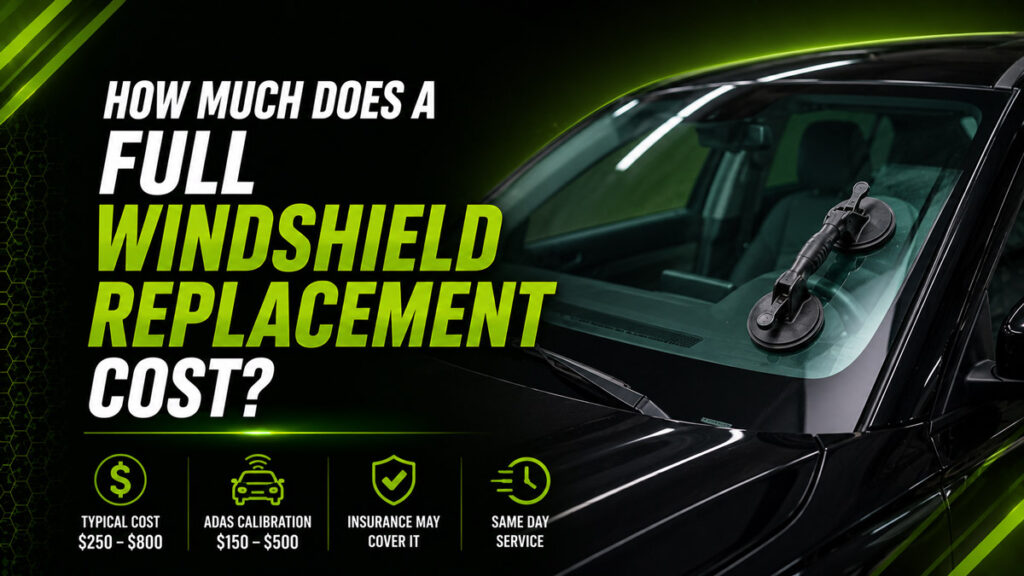
In 2026, a standard full windshield replacement costs between $250 and $800. For modern vehicles equipped with Advanced Driver Assistance Systems (ADAS), the total price increases to $600 to $1,500 due to mandatory camera recalibration requirements. Luxury vehicles, electric models, and windshields featuring a Heads-Up Display typically exceed $1,500. At a Glance When should a […]
How Much to Ship a Car to Puerto Rico: Real Costs

Shipping a car to Puerto Rico typically costs $1,500-$6,000 before Puerto Rico excise tax, depending on the mainland origin, vehicle size, inland transport, and shipping method. A standard operable car from Jacksonville to San Juan may cost about $1,200-$1,600 port-to-port, while the Hacienda excise tax, insurance, delivery, and fees can materially increase the final amount. […]
How Much Volts to Start a Car: The 9.6V Test Guide
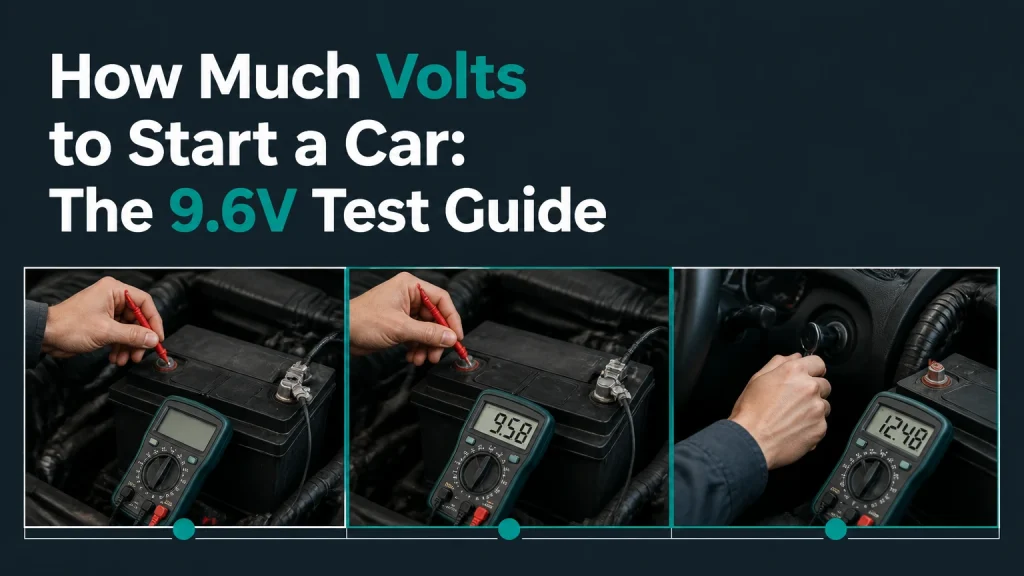
A standard gasoline car normally needs a healthy 12-volt battery that stays at about 9.6 volts or higher while the starter is cranking. Before cranking, the battery should measure roughly 12.6-12.8 volts after resting, but voltage alone cannot prove its condition because a worn battery may show a normal resting reading and collapse under load. […]
What Speed Do Airbags Deploy At?
Vehicle airbags deploy at internal speeds of up to 200 mph (320 km/h). The entire inflation process takes just 20 to 50 milliseconds—roughly one-twentieth of a second, which is significantly faster than a human blink. This explosive speed is required to fully inflate the cushion before the occupant’s body moves forward during a collision. Key […]
Why Is My Battery Light On In My Car?
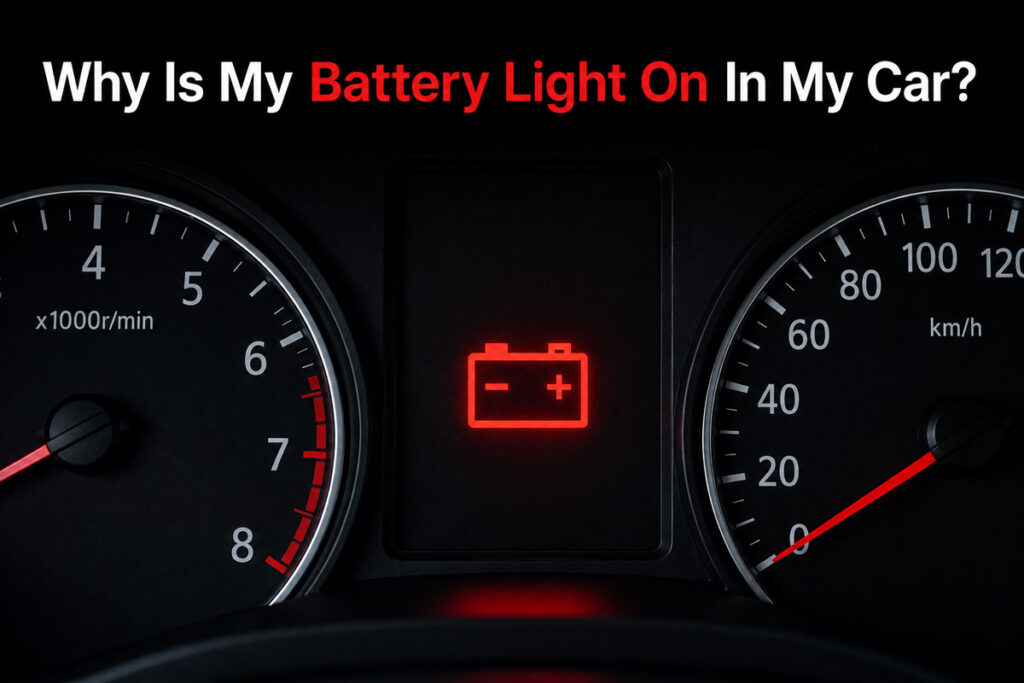
The red battery light on your dashboard indicates a severe charging system failure, meaning the alternator is no longer generating sufficient electricity. Consequently, your vehicle is running entirely on stored battery power. Once this limited reserve is depleted, the engine will stall, power steering will fail, and the car will shut down completely. Key Facts […]
How to Bleed a Radiator in a Car Safely
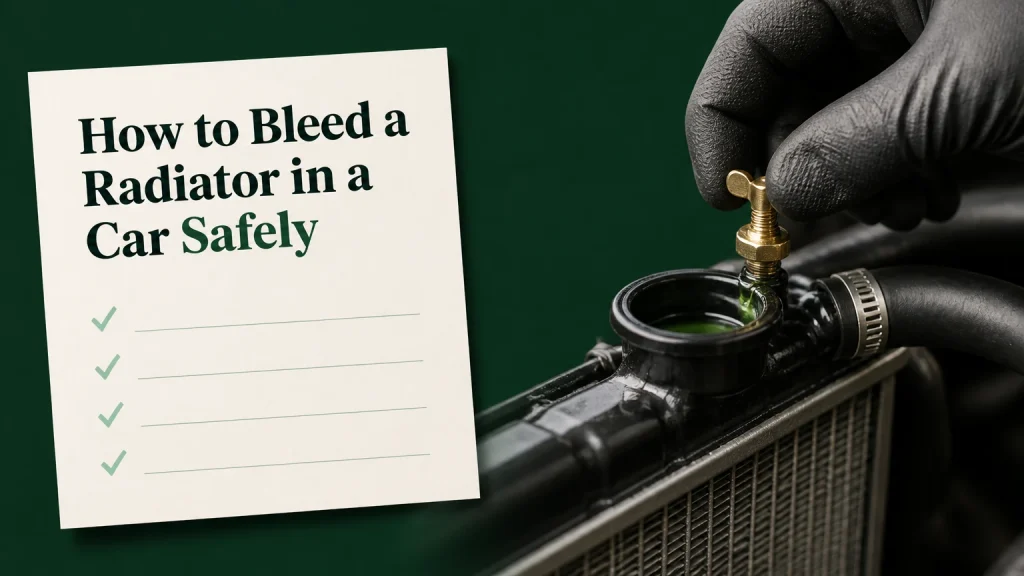
To bleed a radiator in a car, remove trapped air from the cooling system while the engine is completely cold, then refill and warm the system under controlled conditions. The usual home method uses a spill-free funnel, the manufacturer-specified coolant, maximum cabin heat, and repeated level checks until bubbles stop and the heater operates normally. […]
How to Avoid Water Spots on Car: A 7-Step Method
To avoid water spots on a car, wash cool paint in shade, use a pH-balanced automotive shampoo, rinse each panel before water dries, and dry immediately with clean microfiber towels or filtered water. The most important factor is evaporation control: minerals cannot remain behind when rinse water is removed before droplets dry. Key facts at […]
How to Replace an Engine Belt Safely in 10 Steps
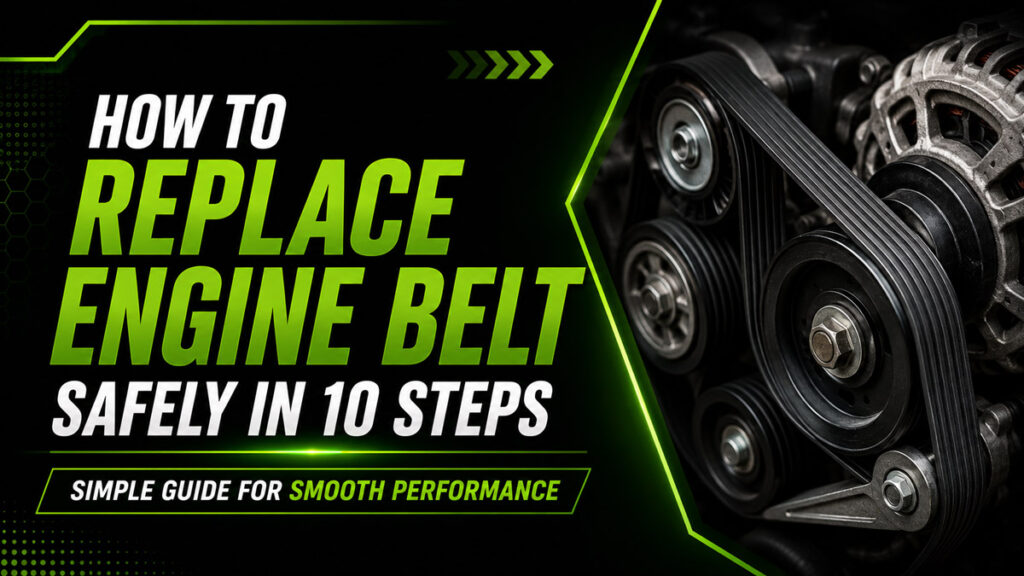
Learning how to replace an engine belt usually means replacing the serpentine accessory belt in 10 steps: identify the belt, prepare the vehicle, record its routing, release tension, remove it, inspect the drive system, install the new belt, verify alignment, rotate the engine, and test it. Allow 30–60 minutes. Correct routing is the main factor […]
How to Clean Leatherette Car Seats Safely
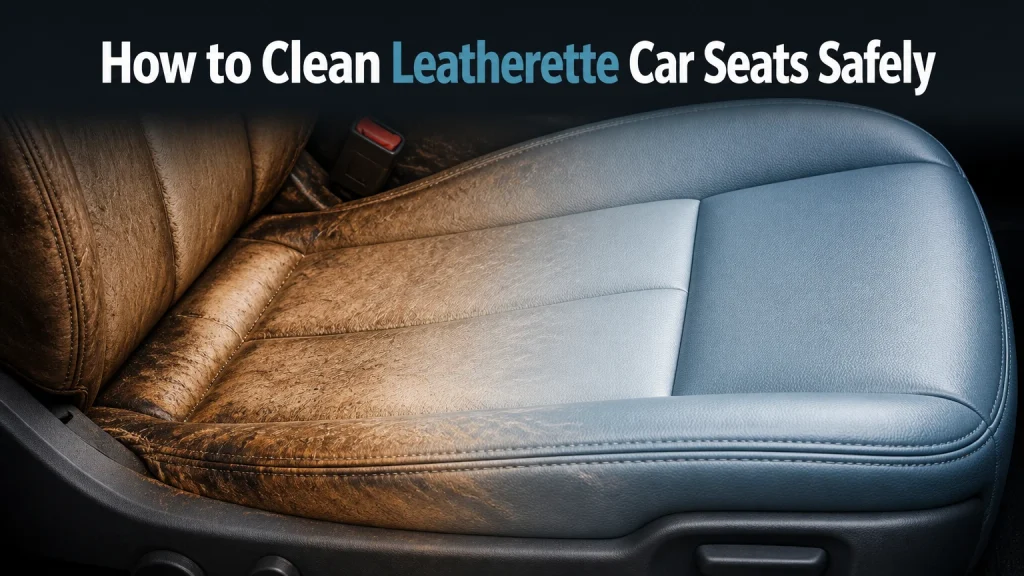
Leatherette car seats can be cleaned safely in five stages: vacuum loose debris, wipe with a diluted mild cleaner, gently brush textured areas, remove residue with clean water, and dry completely. The full job typically takes 20-30 minutes for a lightly soiled interior, and the main success factor is using minimal moisture. Key Facts at […]
Can a Check Engine Light Turn Off by Itself?
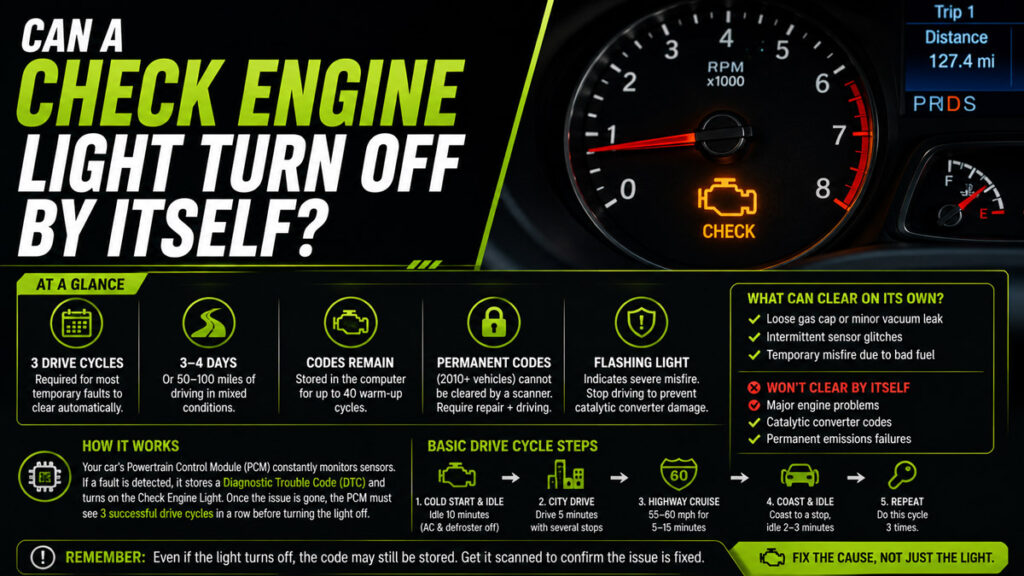
Yes, a check engine light can turn off by itself if the vehicle’s powertrain control module (PCM) verifies the underlying fault no longer exists. For most temporary malfunctions, the light will automatically deactivate after the vehicle completes three consecutive, successful drive cycles without detecting the original error. Key Facts / At a Glance How Does […]