Should Brake Pads Be Replaced With Rotors?
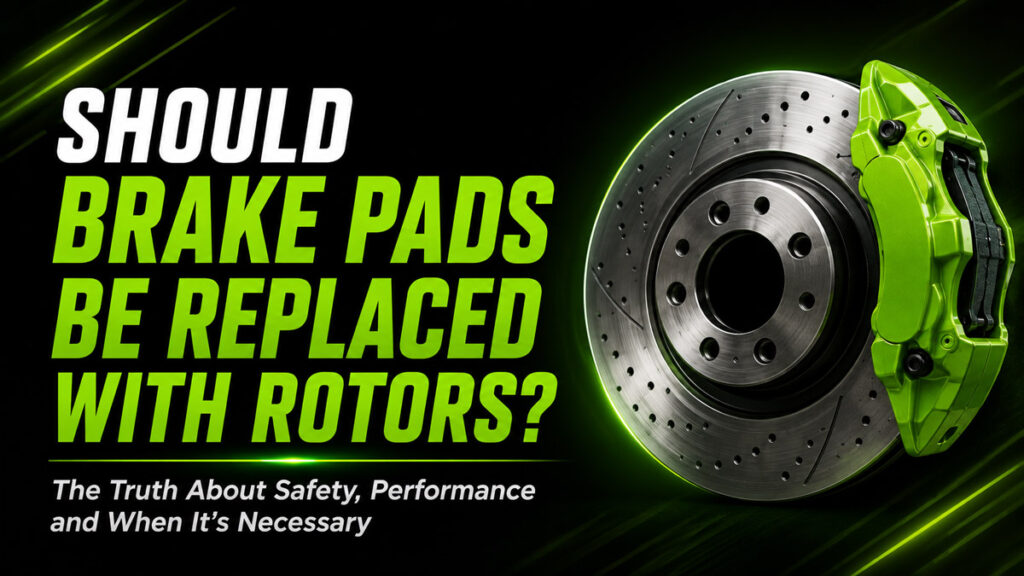
Whether you should replace your brake pads and rotors together depends on the physical condition, wear level, and safety measurements of your rotors. While it is always highly recommended to replace both simultaneously to guarantee peak braking performance and uniformity, it is not strictly mandatory if your current rotors safely pass a professional physical inspection […]
The Ultimate Guide to Headlight Restoration and De-Hazing
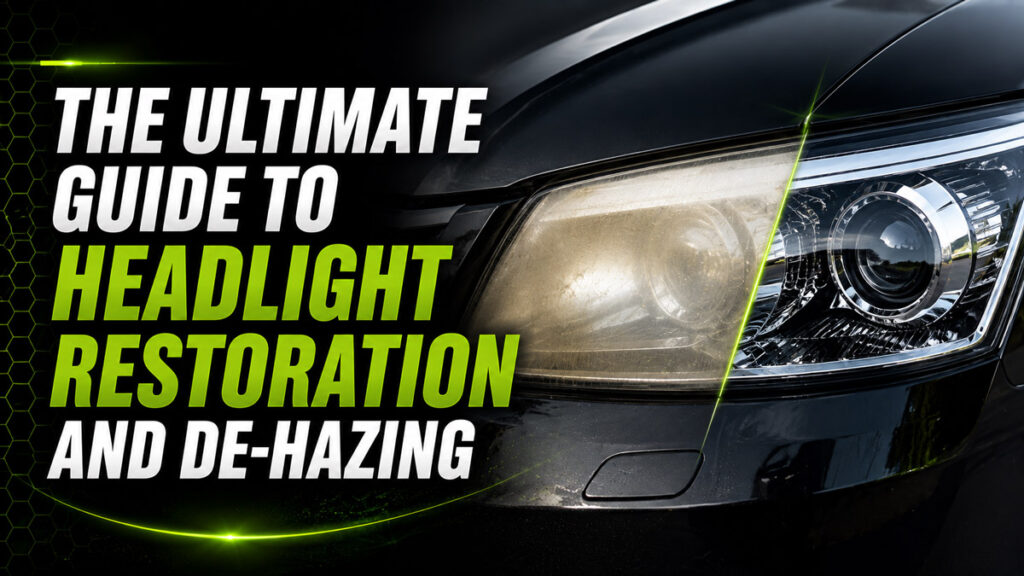
Headlight restoration and de-hazing is the mechanical process of removing oxidized, UV-degraded polycarbonate plastic from vehicle lenses and applying a new UV-resistant clear coat. This process restores optical clarity, increasing light output by up to 80% and drastically improving night driving safety while preventing premature re-oxidation. Key Facts / At a Glance Why Do Modern […]
Where to Pour Brake Fluid
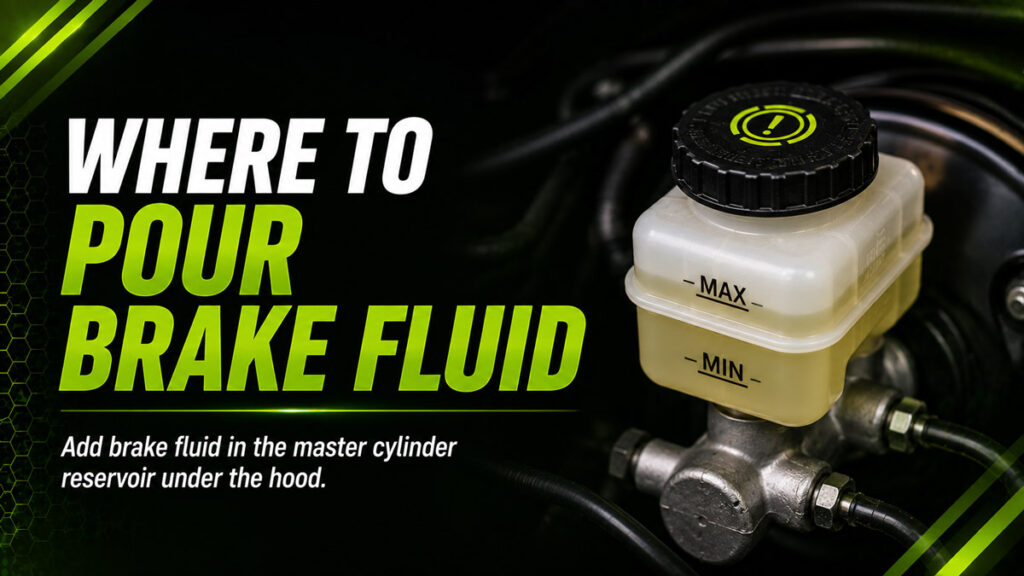
Pour brake fluid into the brake master cylinder reservoir under the hood, not directly into the brake lines, calipers, or ABS unit. The reservoir is usually a translucent plastic container near the firewall on the driver’s side. Clean the cap, confirm the required DOT fluid, and fill only to the MAX line. How Do You […]
The Arlington Driver’s Guide to Surviving Spring Pollen Season
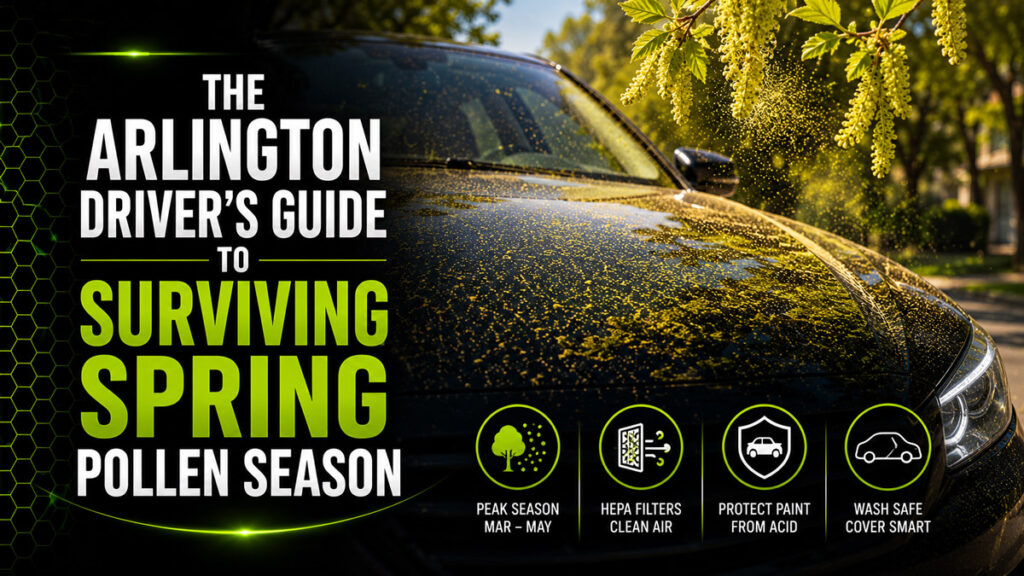
The Arlington driver’s guide to surviving spring pollen season is a comprehensive vehicle maintenance strategy that prevents exterior paint degradation from acidic botanical fallout and eliminates interior allergen infiltration. This localized protocol utilizes high-efficiency cabin air filters, synthetic surface sealants, and adapted HVAC circulation practices to mitigate the heavy tree pollen loads native to Northern […]
Where Are Brake Pads Located?
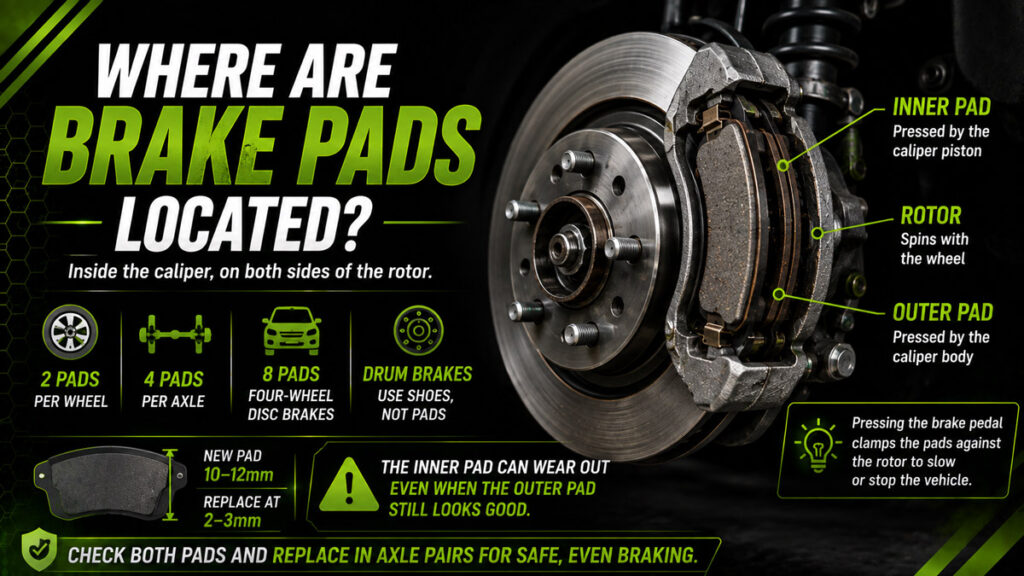
Brake pads are located inside each disc-brake caliper, positioned on opposite sides of the brake rotor. One pad sits between the caliper piston and the rotor, while the other sits between the outer caliper body and the rotor. Pressing the brake pedal forces both pads against the rotating rotor to slow the vehicle. How Do […]
Can You Trade In a Salvage Car? Dealer Rules and Values
Yes, you can trade in or sell a salvage car, but acceptance depends on the title brand, state law, vehicle condition, and the buyer’s inventory policy. A vehicle with a pure salvage title is usually worth parts or scrap value, while a repaired vehicle with a rebuilt title may qualify for a heavily discounted trade […]
How Long Does Brake Fluid Last?
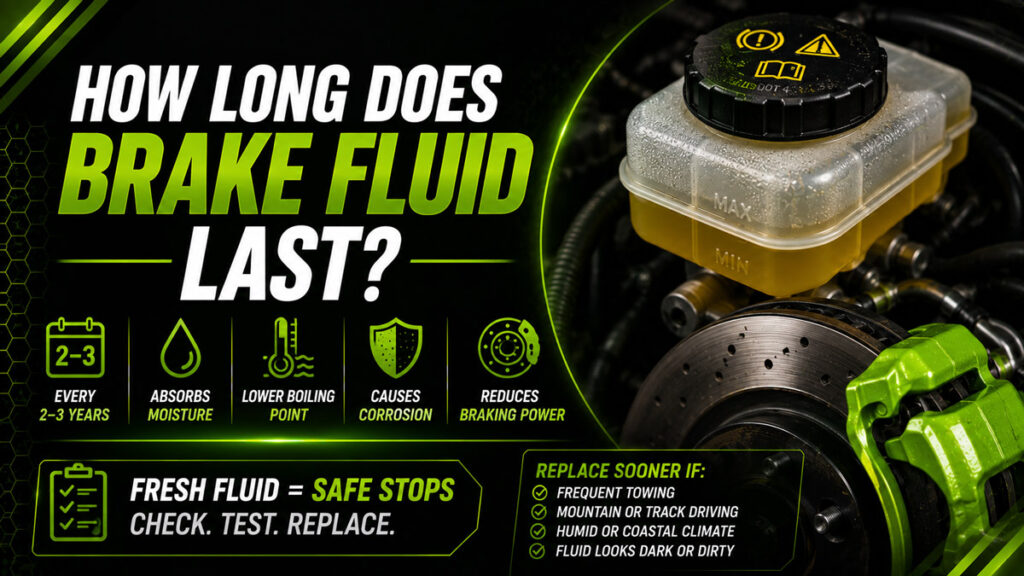
Brake fluid typically lasts 2 to 3 years or about 20,000 to 45,000 miles in a passenger vehicle, although the manufacturer’s maintenance schedule should take priority. Humidity, towing, mountain driving, repeated hard braking, fluid type, and brake-system condition can shorten the safe replacement interval. How Long Does Brake Fluid Last in a Car? Brake fluid […]
How the Texas Heat and Sun Damage Your Car’s Clear Coat
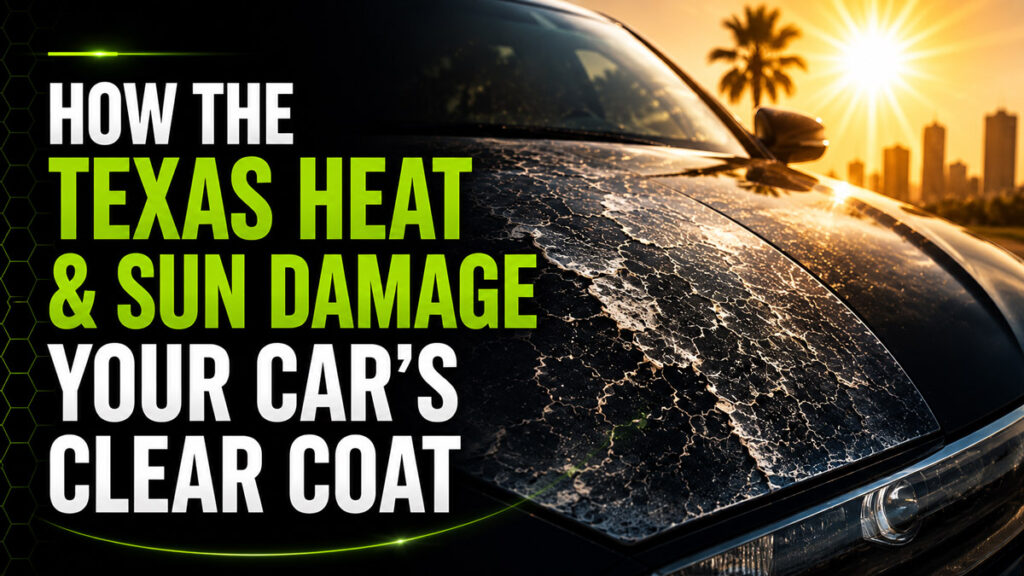
The Texas heat and sun damage a car’s clear coat through a destructive dual attack: extreme UV radiation chemically fractures the polymer bonds causing white oxidation, while 150°F+ surface temperatures force the paint layers to physically stretch. This constant thermal shock eventually causes the clear coat to irreversibly peel away from the base color. At […]
When Did Airbags Become Mandatory?

If you are researching exactly when did airbags become mandatory, federal law officially required dual frontal airbags for all new passenger cars sold in the United States starting September 1, 1998. Light trucks, SUVs, and vans followed shortly after on September 1, 1999. This sweeping safety standard was enacted via the federal Intermodal Surface Transportation […]
Can I Replace My Own Car Battery?
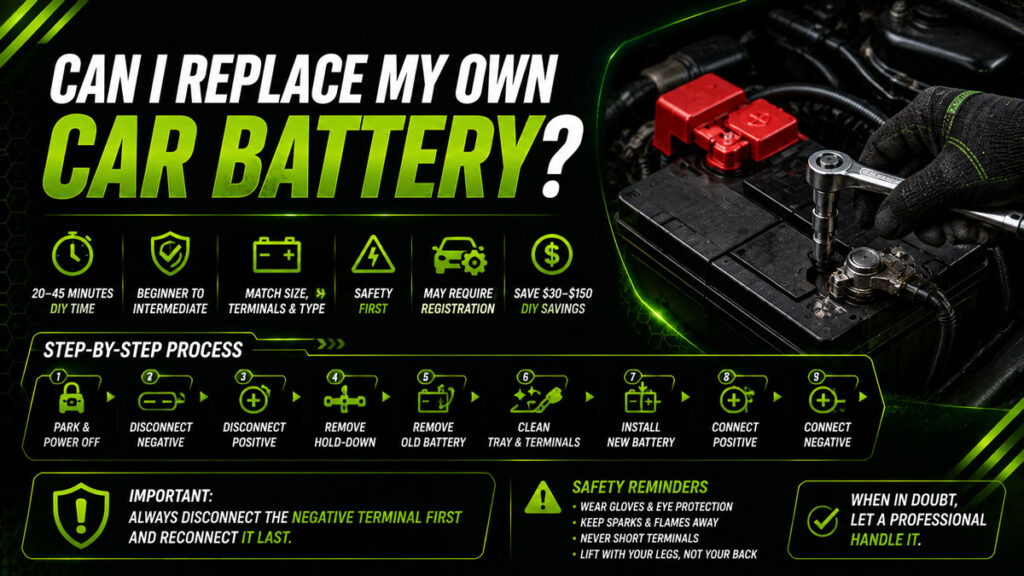
Yes, you can replace your own car battery in most conventional gasoline and diesel vehicles. A basic replacement usually takes 20–45 minutes and requires common hand tools, but professional service is safer when the battery is difficult to access, the vehicle requires electronic registration, or high-voltage hybrid components are nearby. Should You Replace Your Own […]